When it comes to heavy duty brush cutters, there’s a lot to consider. From understanding their key features to choosing the right one for your needs, this comprehensive guide covers it all.
Introduction to Heavy Duty Brush Cutters
A heavy-duty brush cutter is a powerful outdoor tool designed to tackle tough vegetation and overgrown areas. It is commonly used for clearing thick brush, small trees, and dense foliage in various landscaping, agriculture, and forestry applications.
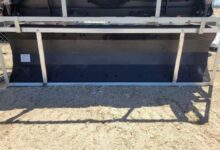

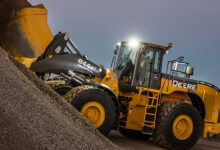
Key features that set heavy-duty brush cutters apart from regular ones include a robust engine, durable blades or cutting heads, and a reinforced construction to withstand the rigors of demanding work environments. These machines are built for heavy-duty use and are capable of handling more challenging cutting tasks with ease.
Typical Applications
- Land Clearing: Heavy-duty brush cutters are ideal for clearing large areas of land, including fields, meadows, and construction sites.
- Forestry Work: These machines are commonly used in forestry operations to clear undergrowth, maintain trails, and manage woodland areas.
- Roadside Maintenance: Heavy-duty brush cutters are essential for maintaining roadside vegetation, clearing overgrown areas along highways, and keeping infrastructure clear and safe.
- Ranch and Farm Use: Farmers and ranchers rely on heavy-duty brush cutters to manage pastures, clear fence lines, and control invasive vegetation on their properties.
Types of Heavy Duty Brush Cutters
When it comes to heavy-duty brush cutters, there are several types available in the market, each with its own set of advantages and disadvantages. Let’s explore the different options and their characteristics.
Gas-Powered Brush Cutters
Gas-powered brush cutters are known for their robust performance and ability to handle tough cutting tasks. They are typically more powerful than electric or battery-powered models, making them ideal for clearing large areas with thick vegetation. However, gas-powered brush cutters require regular maintenance, including fueling, oil changes, and spark plug replacements.
Electric Brush Cutters
Electric brush cutters are favored for their eco-friendly operation and lower noise levels compared to gas-powered models. They are also easier to start and maintain, as they do not require fuel mixing or spark plug changes. However, electric brush cutters are limited by the length of their power cord or battery life, which may not be suitable for larger properties.
Battery-Powered Brush Cutters
Battery-powered brush cutters offer the convenience of cordless operation, making them highly portable and easy to maneuver. They are quieter than gas-powered models and do not emit harmful fumes. However, battery-powered brush cutters may have limited run time, requiring recharging or battery replacements, which can be a drawback for prolonged use.
Key Components of Heavy Duty Brush Cutters
When it comes to heavy-duty brush cutters, there are several key components that play a crucial role in the overall operation of the machine. These components are designed to work together seamlessly to ensure efficient cutting and long-lasting performance.
One of the main components of a heavy-duty brush cutter is the engine. The engine provides the power necessary to drive the blades and cut through tough vegetation. It is important to have a high-quality engine that is capable of delivering sufficient power to tackle even the most challenging cutting tasks.
Another essential component is the cutting blade. The cutting blade is responsible for actually cutting through the brush and vegetation. It is important to have a sharp and durable blade that can withstand the rigors of heavy use. Quality materials and construction are crucial in ensuring that the blade remains sharp and effective for an extended period of time.
The handle and controls are also important components of a heavy-duty brush cutter. These components allow the operator to maneuver the machine with ease and precision. Comfortable handles and intuitive controls can help reduce operator fatigue and ensure accurate cutting.
Overall, the key components of a heavy-duty brush cutter work together to provide a powerful cutting tool that is capable of handling even the toughest cutting tasks. Quality materials and construction in these components are essential to ensure the durability and performance of the machine.
Maintenance and Care Tips for Heavy Duty Brush Cutters
Proper maintenance and care are essential to ensure the longevity and optimal performance of your heavy-duty brush cutter. By following a recommended maintenance schedule and procedures, you can prolong the lifespan of the machine and avoid costly repairs.
Regular Cleaning and Inspection
- After each use, make sure to clean the brush cutter thoroughly to remove any debris, dirt, or grass clippings that may have accumulated.
- Inspect the blades, cutting head, and other key components for any signs of wear and tear, damage, or loose parts.
- Check the air filter and replace it if necessary to ensure proper airflow and engine performance.
Lubrication and Blade Maintenance
- Regularly lubricate the moving parts of the brush cutter, including the cutting head and bearings, to prevent friction and ensure smooth operation.
- Sharpen the blades as needed to maintain cutting efficiency and avoid putting unnecessary strain on the engine.
- Inspect the blade for any nicks or chips and replace it if damaged to prevent accidents and ensure safety.
Fuel and Engine Care
- Use the recommended fuel type and mix ratio for your brush cutter to prevent engine damage and ensure optimal performance.
- Check the fuel filter and replace it regularly to prevent clogs and fuel flow issues.
- Perform regular engine maintenance, such as changing the oil and spark plug, to keep the engine running smoothly.
Storage and Handling
- Store the brush cutter in a dry and secure location to prevent rust and damage from moisture or environmental elements.
- Properly handle and transport the machine to avoid unnecessary bumps, drops, or mishandling that could lead to damage.
- Follow the manufacturer’s guidelines for winterizing the brush cutter if you live in a cold climate to protect the engine and components during the off-season.
Safety Precautions when Using Heavy Duty Brush Cutters
When operating a heavy-duty brush cutter, it is crucial to prioritize safety to prevent accidents and injuries. Here are some essential safety measures to follow:
Importance of Using Protective Gear
- Always wear goggles to protect your eyes from flying debris.
- Use gloves to shield your hands from sharp objects and blades.
- Wear sturdy boots with good traction to prevent slips and falls.
Tips for Safe Handling of the Machine
- Read the user manual carefully and understand the operating instructions before using the brush cutter.
- Ensure the machine is in good working condition with all safety features intact before starting it.
- Keep bystanders at a safe distance while operating the brush cutter to avoid accidents.
- Avoid operating the machine on wet or slippery surfaces to prevent loss of control.
- Never leave the brush cutter unattended while it is still running.
Comparing Heavy Duty Brush Cutters to Other Landscaping Equipment
When comparing heavy-duty brush cutters to other landscaping equipment like lawnmowers and chainsaws, it is important to consider the specific advantages and disadvantages of each tool to determine which is the most suitable choice for your needs.
Advantages of Heavy Duty Brush Cutters
- Heavy-duty brush cutters are designed to handle thick vegetation and overgrown areas that lawnmowers may struggle with.
- They have a wider cutting swath than chainsaws, making them more efficient for clearing large areas quickly.
- Heavy-duty brush cutters are versatile and can be used for various tasks such as clearing brush, small trees, and dense vegetation.
Disadvantages of Heavy Duty Brush Cutters
- Heavy-duty brush cutters can be heavier and more cumbersome to use compared to lawnmowers and chainsaws.
- They may require more maintenance and care due to their powerful engines and cutting mechanisms.
- Heavy-duty brush cutters can be more expensive upfront than traditional lawnmowers.
Scenarios for Using Heavy Duty Brush Cutters
- When dealing with thick brush, tall grass, and small trees that a lawnmower cannot handle effectively.
- For clearing large areas of land quickly and efficiently, especially in overgrown or neglected areas.
- In situations where precision cutting is required, heavy-duty brush cutters offer better control and accuracy than chainsaws.
Popular Brands and Models of Heavy Duty Brush Cutters
When it comes to heavy-duty brush cutters, there are several top brands and models that stand out in the market for their quality, performance, and durability. Let’s take a closer look at some of the popular options available.
Husqvarna 345FR
The Husqvarna 345FR is a well-known heavy-duty brush cutter that is highly regarded for its power and efficiency. This model features a powerful 45.7cc engine, a 17-inch cutting swath, and a durable design that can handle tough brush and vegetation with ease. The Husqvarna 345FR is known for its reliability and performance, making it a popular choice among landscaping professionals.
Stihl FS 460 C-EM
The Stihl FS 460 C-EM is another top contender in the heavy-duty brush cutter category. This model boasts a 45.6cc engine, a 25.4 oz fuel capacity, and a cutting swath of up to 17 inches. The Stihl FS 460 C-EM is known for its ergonomic design, innovative features, and high-performance capabilities, making it a favorite among users who require a reliable and powerful brush cutter.
Echo SRM-410U
The Echo SRM-410U is a heavy-duty brush cutter that is favored for its durability and versatility. This model features a 42.7cc engine, a 10-inch blade, and a comfortable grip handle for ease of use. The Echo SRM-410U is known for its low vibration, quiet operation, and exceptional cutting performance, making it a popular choice for both professional landscapers and homeowners.
Overall, each of these popular brands and models of heavy-duty brush cutters offers unique features, performance capabilities, and pricing options to cater to a wide range of needs in the landscaping industry. Whether you prioritize power, durability, or ease of use, there is a heavy-duty brush cutter out there to meet your specific requirements.
Tips for Choosing the Right Heavy Duty Brush Cutter
Choosing the right heavy-duty brush cutter is crucial for achieving efficient and effective results in your landscaping tasks. Consider the following factors to ensure you select the most suitable brush cutter for your needs.
Engine Power
One of the most important factors to consider when choosing a heavy-duty brush cutter is the engine power. A more powerful engine will be able to tackle thicker vegetation and tougher tasks with ease. Make sure to match the engine power to the type of cutting you will be performing.
Cutting Width
The cutting width of the brush cutter determines the area it can cover in a single pass. A wider cutting width is ideal for large open spaces, while a narrower cutting width is more suitable for precision cutting in tight spaces. Consider the size of the areas you will be working on to choose the right cutting width.
Weight
The weight of the brush cutter is another important factor to take into account. A lighter brush cutter will be easier to maneuver and handle for longer periods, while a heavier one may provide more stability and cutting power. Choose a weight that you are comfortable working with based on the terrain and duration of use.
Other Specifications
Consider other specifications such as blade type, handle design, fuel efficiency, and ease of maintenance. These factors can greatly impact the performance and usability of the brush cutter in the long run. Choose a brush cutter with specifications that align with your specific needs and preferences.
Real-life Applications of Heavy Duty Brush Cutters
Heavy duty brush cutters are versatile tools that find applications in various industries for clearing dense vegetation, tackling tough terrains, and handling challenging tasks.
Forestry Industry
Heavy duty brush cutters are commonly used in the forestry industry for clearing overgrown areas, cutting down trees, and maintaining forest trails. These powerful machines can efficiently clear thick brush and undergrowth, making it easier for forestry workers to access different areas of the forest.
Agricultural Sector
In agriculture, heavy duty brush cutters are utilized for clearing fields, cutting down weeds, and maintaining farm boundaries. Farmers rely on these machines to keep their land tidy and free from unwanted vegetation that may hinder crop growth.
Landscaping and Grounds Maintenance
Landscaping companies and grounds maintenance crews often use heavy duty brush cutters to trim grass, bushes, and shrubs in parks, gardens, and public spaces. These machines are essential for keeping outdoor areas well-manicured and aesthetically pleasing.
Roadside Maintenance
Heavy duty brush cutters are also employed for roadside maintenance to clear vegetation along highways, roadsides, and railway tracks. These machines help improve visibility for drivers and ensure safe passage along transportation routes.
Construction Sites
Construction companies utilize heavy duty brush cutters to clear construction sites, remove debris, and prepare the land for building projects. These machines play a crucial role in ensuring a clean and safe working environment for construction workers.
Environmental Impact of Heavy Duty Brush Cutters
Heavy duty brush cutters play a crucial role in maintaining landscapes and clearing vegetation. However, it is important to consider the environmental impact of using these powerful tools to ensure sustainable land management practices.
Impact on Ecosystems and Wildlife Habitats
When heavy duty brush cutters are used indiscriminately, they can disrupt ecosystems and destroy wildlife habitats. The clearing of vegetation can lead to loss of biodiversity and displacement of wildlife species.
Impact on Vegetation
Excessive use of heavy duty brush cutters can result in the destruction of native vegetation, leading to soil erosion, loss of soil fertility, and disruption of natural plant communities. This can have long-term negative effects on the ecosystem.
Tips for Minimizing Environmental Damage
- Avoid overusing heavy duty brush cutters and only clear vegetation when necessary for safety or land management purposes.
- Identify and protect sensitive areas such as wetlands, riparian zones, and wildlife habitats to minimize impact.
- Consider using alternative methods such as manual clearing or selective cutting to preserve biodiversity and minimize environmental damage.
- Regularly inspect and maintain your heavy duty brush cutter to ensure optimal performance and reduce emissions.
- Properly dispose of any debris or waste generated during brush cutting to prevent pollution and contamination of the environment.
Future Trends and Innovations in Heavy Duty Brush Cutters
As technology continues to advance, heavy duty brush cutters are also evolving to meet the changing needs of users. Innovations in design, efficiency, performance, and sustainability are shaping the future of heavy duty brush cutters.
Integration of Robotics and AI
In the future, heavy duty brush cutters may incorporate robotics and artificial intelligence to enhance precision and autonomy. These technologies can enable the equipment to navigate complex terrain, identify obstacles, and adjust cutting patterns in real-time.
Electric and Hybrid Models
With a growing emphasis on sustainability, future heavy duty brush cutters may shift towards electric or hybrid models. These environmentally-friendly alternatives can reduce emissions, noise pollution, and operating costs while maintaining high performance levels.
Enhanced Safety Features
To improve operator safety, future heavy duty brush cutters may come equipped with advanced safety features such as proximity sensors, emergency stop buttons, and automatic shut-off mechanisms. These additions can minimize the risk of accidents and injuries during operation.
Improved Ergonomics and Comfort
Innovations in ergonomics and comfort are likely to be a key focus in the future development of heavy duty brush cutters. Features such as adjustable handles, vibration reduction technology, and ergonomic harness systems can enhance operator comfort and reduce fatigue during prolonged use.
Summary
Exploring the world of heavy duty brush cutters unveils a versatile tool that can tackle various tasks with ease. Armed with knowledge from this guide, you’re now equipped to make informed decisions and maximize the efficiency of your brush cutting endeavors.

Digital content creator with an eye for detail and a focus on trending global topics.