Concise And Clear: Heavy Equipment Movers – Specialized Services For Moving Heavy Machinery

Starting with heavy equipment movers, this paragraph aims to provide an engaging overview of the specialized services involved in moving heavy machinery efficiently.
Detailing the types of heavy equipment moved, the importance of specialized moving services, and the challenges faced, heavy equipment movers play a crucial role in ensuring safe and efficient transportation of heavy machinery.




Overview of Heavy Equipment Movers
Heavy equipment movers specialize in transporting various types of heavy machinery to different locations. These services are crucial for industries such as construction, mining, and manufacturing, where the movement of large equipment is a common requirement.
Types of Heavy Equipment Typically Moved:
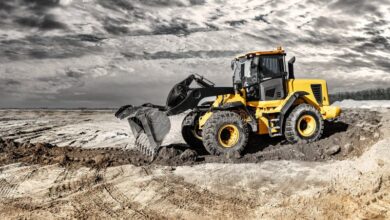
- Bulldozers
- Excavators
- Cranes
- Forklifts
- Dump trucks
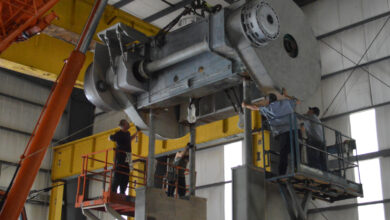
- Industrial presses
Importance of Specialized Moving Services:
Specialized moving services for heavy equipment are essential due to the size, weight, and complexity of the machinery involved. These services utilize specialized trailers, vehicles, and equipment to ensure safe and efficient transportation of heavy equipment.
Challenges Associated with Moving Heavy Equipment:
- Weight and Size: Heavy equipment can be massive and require careful planning to transport safely.
- Logistics: Coordinating the movement of heavy equipment between different sites can be complex and time-consuming.
- Safety Concerns: Ensuring the safety of workers, equipment, and the public during transportation is a top priority.
- Regulations: Compliance with local, state, and federal regulations regarding the transportation of heavy equipment is crucial to avoid legal issues.
Specialized Equipment Used
When it comes to moving heavy machinery, specialized equipment plays a crucial role in ensuring a safe and efficient process. Let’s take a look at some of the key tools used by heavy equipment movers:
Cranes
Cranes are essential for lifting and moving heavy machinery, as they have the capacity to handle large loads. They come in various types, such as mobile cranes, tower cranes, and crawler cranes, each suited for different tasks. Cranes are equipped with hooks, chains, and cables to securely lift and transport heavy equipment to its destination.
Forklifts
Forklifts are used for transporting heavy machinery within a work site or loading and unloading equipment onto trucks. They have a hydraulic lifting mechanism and forks that can be adjusted to fit different sizes of machinery. Forklifts are versatile and can maneuver in tight spaces, making them essential for moving heavy equipment efficiently.
Flatbed Trucks
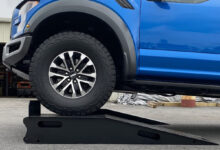
Flatbed trucks are used to transport heavy machinery over long distances. They have a flat, open bed without sides or a roof, allowing for easy loading and unloading of equipment. Flatbed trucks are equipped with ramps, tie-downs, and securing devices to ensure that the machinery stays in place during transit.
Transport Dollies
Transport dollies are wheeled platforms that support heavy machinery and allow for easy movement across a work site or loading onto trucks. They come in various sizes and configurations, including hydraulic and self-propelled options. Transport dollies help to distribute the weight of the equipment evenly and protect the floors during transportation.
Rigging Equipment
Rigging equipment includes chains, straps, shackles, and other hardware used to secure heavy machinery during lifting and transportation. Rigging equipment is essential for ensuring the safety of the equipment, workers, and the surrounding environment. Proper rigging techniques are crucial for a successful and efficient heavy equipment moving operation.
Safety Procedures
When it comes to heavy equipment moving, safety is paramount to ensure the well-being of the moving crew and prevent any accidents or damage to the equipment. Strict safety protocols are followed to minimize risks during transportation.
Importance of Safety Training
Proper safety training is essential for the moving crew to handle heavy equipment effectively and safely. Training ensures that all team members are aware of the potential hazards involved in moving heavy machinery and know how to mitigate these risks.
Safety Measures for Minimizing Risks
- Use of specialized equipment: Heavy equipment movers utilize specialized tools and machinery designed for lifting and transporting heavy loads safely.
- Securing the equipment: Properly securing the equipment on the transport vehicle is crucial to prevent shifting or tipping during transit.
- Adherence to weight limits: Following weight limits and load capacities is important to avoid overloading the transport vehicle, which can lead to accidents.
- Regular maintenance checks: Ensuring that all equipment used for moving heavy machinery is well-maintained reduces the risk of mechanical failures during transportation.
- Communication protocols: Clear communication among the moving crew members is vital to coordinate movements effectively and prevent accidents.
Transportation Logistics
Transporting heavy equipment involves intricate logistics to ensure a smooth and successful operation.
Factors Considered in Planning the Transportation Route
When planning the transportation route for heavy equipment movers, several factors are taken into consideration:
- The weight and dimensions of the equipment to determine the most suitable mode of transport.
- The distance to be covered and any restrictions along the route, such as low bridges or narrow roads.
- The type of terrain to be traversed, whether it’s flat highways or rugged off-road paths.
- The required permits and regulations for transporting oversized or overweight loads.
Role of Logistics in Moving Operations
Logistics play a crucial role in the success of moving operations for heavy equipment. Properly planned logistics ensure:
- Efficient coordination of different teams involved in the transportation process.
- Timely delivery of equipment to the designated location to avoid project delays.
- Minimization of risks by identifying potential challenges and implementing appropriate solutions.
- Cost-effectiveness through optimized routes and resource utilization.
Challenges Faced
When it comes to heavy equipment movers, there are several common challenges that they face in their line of work. These challenges can range from logistical issues to safety concerns, all of which need to be carefully managed to ensure a successful moving process.
Handling Oversized Equipment
One of the main challenges faced by heavy equipment movers is handling oversized equipment. Moving large and heavy machinery requires specialized equipment and expertise to ensure that it is done safely and efficiently. To overcome this challenge, movers often use cranes, forklifts, and other heavy machinery to lift and transport the equipment. Proper planning and coordination are essential to ensure that the equipment is moved without any damage.
Navigating Tight Spaces
Another challenge that heavy equipment movers often face is navigating tight spaces. Construction sites, industrial plants, and other locations where heavy equipment needs to be moved can have limited space, making it difficult to maneuver large machinery. Movers overcome this challenge by using skilled operators who can navigate the equipment through tight spaces with precision. They may also use specialized trailers or dollies to help transport the equipment safely.
Adhering to Safety Regulations
Safety is a top priority for heavy equipment movers, as moving large machinery can pose significant risks to both the movers and the equipment itself. Adhering to safety regulations and protocols is crucial to ensure a successful moving process. Movers undergo extensive training to learn how to safely operate equipment, secure loads, and follow safety guidelines. Regular safety inspections and audits are also conducted to identify and mitigate any potential risks.
Dealing with Unforeseen Challenges
Despite careful planning and preparation, heavy equipment movers may still encounter unforeseen challenges during the moving process. This could include inclement weather, road closures, or mechanical issues with the equipment. Movers must be flexible and adaptable to overcome these challenges quickly and effectively. Having contingency plans in place and maintaining open communication with all stakeholders involved can help mitigate the impact of unforeseen challenges on the overall moving process.
Impact of Overcoming Challenges
Successfully overcoming the challenges faced by heavy equipment movers can have a significant impact on the overall moving process. By effectively handling oversized equipment, navigating tight spaces, adhering to safety regulations, and dealing with unforeseen challenges, movers can ensure that the equipment is moved safely and efficiently. This not only helps to prevent accidents and damage to the equipment but also contributes to the timely completion of projects and the satisfaction of clients.
Cost Factors
Heavy equipment moving costs can vary based on several factors that influence the overall pricing. Factors such as distance, weight, and complexity play a significant role in determining the cost of moving heavy equipment. Understanding these factors is crucial for optimizing costs without compromising on quality.
Influence of Distance
Distance is a key factor that affects the cost of moving heavy equipment. The farther the distance, the higher the transportation costs involved. Factors like fuel expenses, driver accommodations, and toll charges contribute to the overall cost. To optimize costs, it is essential to plan the most efficient route and minimize unnecessary stops or detours.
Effect of Weight
The weight of the heavy equipment being moved directly impacts the cost. Heavier equipment requires specialized trailers, equipment, and permits for transportation, leading to higher costs. Additionally, heavier loads consume more fuel and may require additional safety measures during transit. To optimize costs, consolidating multiple equipment into a single shipment can help reduce individual transportation expenses.
Impact of Complexity
The complexity of the heavy equipment, such as size, shape, and fragility, can influence the moving costs. Specialized handling, packaging, and securing methods may be required for complex equipment, increasing the overall cost. Moreover, equipment with intricate components or sensitive parts may need extra care during transportation, adding to the expenses. To optimize costs, working closely with experienced heavy equipment movers who have expertise in handling complex machinery can ensure efficient and cost-effective transportation.
Environmental Considerations
When it comes to heavy equipment transportation, it is crucial to consider the impact on the environment. The size and weight of the machinery being transported, as well as the fuel consumption during transportation, can all have significant ecological implications. Therefore, heavy equipment movers must take proactive measures to minimize their environmental footprint.
Efficient Route Planning
- Utilizing GPS technology to plan the most efficient routes can reduce fuel consumption and emissions.
- Choosing routes that avoid environmentally sensitive areas such as wetlands or wildlife habitats can help protect ecosystems.
Alternative Fuels and Technologies
- Exploring alternative fuel options such as biodiesel or electric vehicles can significantly reduce carbon emissions.
- Implementing hybrid technology in transportation vehicles can also decrease fuel consumption and environmental impact.
Proper Waste Management
- Ensuring that any waste generated during transportation, such as packaging materials or fluids, is disposed of properly can prevent pollution.
- Recycling materials whenever possible can further reduce the environmental impact of heavy equipment moving operations.
Case Studies
In this section, we will explore case studies of successful heavy equipment moving projects. These case studies will highlight the challenges faced during the projects and how they were successfully resolved. We will also discuss the valuable lessons learned from these real-life examples.
Case Study 1: Moving a Giant Crane
In this case study, we will delve into the successful relocation of a massive crane from one construction site to another. The challenges included navigating narrow roads, securing the crane during transportation, and coordinating with local authorities for permits.
- Utilized specialized trailers and equipment for safe transportation.
- Implemented detailed route planning to avoid obstacles and ensure smooth travel.
- Collaborated closely with project managers and engineers to address any technical issues.
Case Study 2: Transporting Oversized Machinery
This case study will focus on the transportation of oversized machinery across state lines. The project involved moving heavy equipment through varying terrains and weather conditions, presenting unique challenges along the way.
- Employed advanced rigging techniques to securely load and unload the machinery.
- Implemented strict safety protocols to protect both the equipment and personnel involved.
- Adapted to unforeseen circumstances by maintaining open communication and quick problem-solving skills.
Expert Interviews
Interviewing industry experts in heavy equipment moving provides valuable insights into best practices, current trends, and the challenges faced in the field. These professionals offer advice based on their wealth of experience, helping to enhance our understanding of this specialized industry.
Insights on Heavy Equipment Moving
During our expert interviews, several key themes emerged regarding heavy equipment moving:
- The importance of proper equipment maintenance to ensure safety and efficiency.
- The use of advanced technology, such as GPS tracking and specialized rigging techniques, to streamline operations.
- The significance of thorough planning and coordination to overcome logistical challenges.
- The emphasis on employee training and adherence to safety protocols to prevent workplace accidents.
Challenges in Heavy Equipment Moving
Expert interviews highlighted the following challenges faced by heavy equipment movers:
- Navigating complex regulatory requirements and obtaining necessary permits for oversized loads.
- Managing unforeseen obstacles during transportation, such as road closures or inclement weather.
- Balancing cost considerations with the need for specialized equipment and skilled labor.
Trends in Heavy Equipment Moving
Industry experts shared insights on emerging trends shaping the future of heavy equipment moving:
- The increasing use of automation and robotics to improve efficiency and safety in equipment handling.
- The growing focus on sustainability, with companies adopting eco-friendly practices and technologies.
- The rise of digital platforms for real-time tracking and communication, enhancing operational transparency.
Innovation in Heavy Equipment Moving
In the field of heavy equipment moving, innovation plays a crucial role in improving efficiency, safety, and cost-effectiveness. The adoption of new technologies has revolutionized the industry, leading to the development of cutting-edge solutions that streamline moving processes and enhance overall operations.
Automation in Heavy Equipment Transportation
Automation has significantly transformed heavy equipment transportation by replacing manual labor with advanced machinery and tools. Automated systems such as self-driving trucks and robotic arms have revolutionized loading and unloading processes, reducing the risk of accidents and improving precision.
Digital Tools for Optimization
Digital tools like GPS tracking systems, route optimization software, and real-time monitoring devices have become essential in heavy equipment moving. These tools enable operators to track the location of equipment, plan the most efficient routes, and monitor the condition of machinery throughout the transportation process.
Cutting-Edge Solutions for Improved Efficiency
Innovative solutions such as hydraulic trailers with adjustable heights, modular transport systems, and specialized lifting equipment have revolutionized heavy equipment moving. These cutting-edge solutions enable operators to transport oversized and heavy machinery with precision, safety, and speed, reducing downtime and costs.
Future Trends
As the heavy equipment moving industry continues to evolve, several future trends are expected to shape the way operations are conducted. Advancements in technology, changes in regulations, and environmental considerations are among the key factors driving these trends. Let’s explore some of the potential developments to watch out for in the coming years.
Automation and Robotics Integration
With rapid advancements in automation and robotics technology, the integration of these tools into heavy equipment moving operations is expected to increase. Automated systems can enhance efficiency, reduce human error, and improve safety in transporting heavy machinery.
Green Initiatives and Sustainable Practices
As environmental concerns become more prominent, heavy equipment moving companies are likely to adopt greener practices. This may include investing in electric or hybrid vehicles, reducing carbon emissions, and implementing sustainable transportation solutions to minimize the industry’s ecological footprint.
Data Analytics and Predictive Maintenance
The use of data analytics and predictive maintenance tools is anticipated to become more widespread in the heavy equipment moving sector. By harnessing data to predict equipment maintenance needs and optimize transport routes, companies can enhance operational efficiency and reduce downtime.
Globalization and International Expansion
With the globalization of businesses, heavy equipment moving companies are expected to expand their operations internationally. This trend may lead to the development of new transportation routes, partnerships with global logistics providers, and the adoption of innovative strategies to navigate complex regulatory frameworks in different countries.
Last Point
In conclusion, heavy equipment movers are essential for overcoming challenges, ensuring safety, and optimizing costs in moving heavy machinery. Their expertise and specialized tools contribute to the success of transportation operations.
Digital content creator with an eye for detail and a focus on trending global topics.