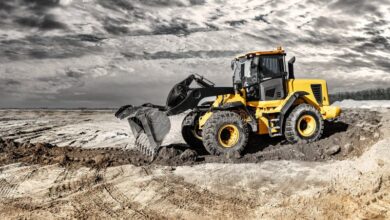
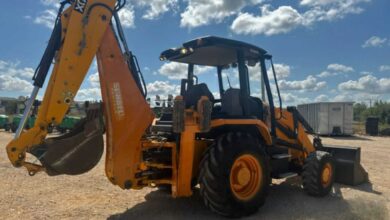
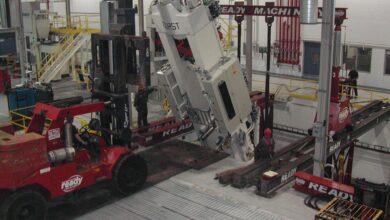
Delving into heavy equipment for sale, this guide provides valuable insights on various aspects of purchasing and selling heavy equipment. From types and brands to maintenance tips and financing options, this comprehensive overview covers everything you need to know.
Whether you’re a business looking to invest in new equipment or an individual interested in buying used machinery, this guide will help you make informed decisions and navigate the heavy equipment market with confidence.


Types of Heavy Equipment
When it comes to heavy equipment for sale, there are several types to consider. Each type serves a specific purpose and comes with its own set of features and applications. Let’s take a closer look at some of the most common types of heavy equipment available in the market:
Excavators
Excavators are versatile machines used for digging, trenching, and heavy lifting. They are equipped with a bucket, boom, and cab mounted on a rotating platform, allowing for 360-degree movement. Excavators are commonly used in construction, mining, and forestry industries for tasks such as excavation, demolition, and material handling.
Bulldozers
Bulldozers are powerful machines with a large metal plate, known as a blade, attached to the front. They are used for pushing, leveling, and moving large quantities of earth, sand, or debris. Bulldozers are ideal for clearing land, grading terrain, and building roads in construction and agricultural projects.
Cranes
Cranes are heavy equipment used for lifting and moving heavy objects vertically and horizontally. They come in various types, including tower cranes, mobile cranes, and rough terrain cranes. Cranes are essential for construction projects, infrastructure development, and material handling in industries such as manufacturing and shipping.
Factors to Consider When Buying Heavy Equipment
When purchasing heavy equipment, whether new or used, there are several key factors that businesses or individuals should carefully consider to ensure they are making a sound investment. It is essential to assess the condition of the equipment, evaluate its performance and reliability, and consider various other factors to make an informed decision.
Assessing the Condition of Used Heavy Equipment
When looking at used heavy equipment for sale, it is crucial to thoroughly inspect the machinery to determine its condition. Here are some tips on how to assess the condition of used heavy equipment:
- Inspect the exterior for any signs of damage, rust, or wear and tear.
- Check the engine, hydraulic systems, and other critical components for leaks, unusual noises, or any issues.
- Review maintenance records to see if the equipment has been properly serviced and maintained.
- Test the equipment to ensure all functions and features are working correctly.
Evaluating the Performance and Reliability of Heavy Equipment
In addition to assessing the condition of the equipment, it is essential to evaluate its performance and reliability. Here are some tips on how to do so:
- Consider the age and usage history of the equipment to gauge its expected lifespan and reliability.
- Research the brand, model, and reputation of the manufacturer to determine the quality of the equipment.
- Test the equipment under various conditions to assess its performance and functionality.
- Consult with experts or professionals in the industry to get their opinion on the equipment’s performance and reliability.
Popular Brands in the Heavy Equipment Industry
When it comes to heavy equipment, there are several popular brands known for their quality, reliability, and performance. These brands offer a wide range of heavy equipment for sale, catering to various industries and needs.
Caterpillar
Caterpillar is one of the most well-known and respected brands in the heavy equipment industry. They offer a wide range of construction and mining equipment, including excavators, bulldozers, and loaders. Caterpillar equipment is known for its durability, power, and efficiency, making it a top choice for many contractors and operators.
John Deere
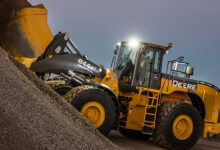
John Deere is another popular brand that offers a variety of heavy equipment, particularly in the agricultural sector. Their lineup includes tractors, harvesters, and loaders designed to meet the needs of farmers and agricultural workers. John Deere equipment is known for its quality, innovation, and reliability.
Komatsu
Komatsu is a Japanese manufacturer that produces a wide range of heavy equipment for construction, mining, and forestry industries. Their equipment is known for its advanced technology, fuel efficiency, and operator comfort. Komatsu machines are trusted by many professionals worldwide for their performance and durability.
Volvo Construction Equipment
Volvo Construction Equipment is a leading manufacturer of heavy machinery, offering a comprehensive range of equipment for various applications. Their lineup includes excavators, wheel loaders, and articulated haulers known for their reliability, safety features, and fuel efficiency. Volvo equipment is popular among construction companies and contractors.
Comparison of Pricing and Features
When comparing heavy equipment from different brands, it’s essential to consider factors such as pricing, features, and after-sales support. While Caterpillar and Komatsu are known for their robust machines and high performance, John Deere and Volvo Construction Equipment are popular for their innovation and fuel efficiency. Each brand has its strengths and caters to specific needs, so it’s crucial to evaluate the pricing and features to choose the right equipment for your projects.
Maintenance Tips for Heavy Equipment
Proper maintenance is crucial for ensuring the longevity and efficiency of heavy equipment. By following best practices and implementing a routine maintenance schedule, you can prevent breakdowns, reduce downtime, and extend the lifespan of your machinery.
Checklist for Routine Maintenance
- Regularly inspect all fluid levels, including oil, hydraulic fluid, and coolant.
- Monitor and replace filters as needed to prevent contaminants from damaging the engine.
- Grease moving parts to reduce friction and wear.
- Inspect tires for wear and tear, and maintain proper tire pressure.
- Check for loose bolts, nuts, and other fasteners that may need tightening.
Importance of Regular Inspections and Servicing
Regular inspections and servicing are essential for identifying potential issues before they escalate into major problems. By conducting routine checks, you can catch minor issues early on and address them promptly, preventing costly repairs and unplanned downtime. Additionally, servicing your heavy equipment according to manufacturer recommendations can help maintain warranty coverage and ensure optimal performance.
Buying New vs. Used Heavy Equipment
When considering purchasing heavy equipment, one of the key decisions to make is whether to buy new or used machinery. Both options have their own set of advantages and disadvantages, and various factors come into play when making this decision.
Advantages and Disadvantages
- Buying New:
- Advantages:
- Comes with warranty and guarantees
- Likely to have the latest technology and features
- Less maintenance required in the initial years
- Disadvantages:
- Higher initial cost
- Depreciates quickly
- May take longer to acquire
- Advantages:
- Buying Used:
- Advantages:
- Lower initial cost
- Can be readily available for purchase
- Depreciation rate is slower than with new equipment
- Disadvantages:
- Potential for hidden issues or wear and tear
- Limited or no warranty
- May require more maintenance and repairs
- Advantages:
Factors Influencing the Decision
When deciding between new and used heavy equipment, factors such as budget constraints, equipment utilization frequency, specific project requirements, and the availability of financing options play a crucial role. Understanding the long-term needs and the cost-benefit analysis is essential for making an informed decision.
Cost Savings Associated with Buying Used Heavy Equipment
One of the significant advantages of purchasing used heavy equipment is the cost savings it offers. With a lower initial investment, businesses can acquire essential machinery without stretching their budget. Additionally, used equipment tends to hold its value better over time compared to new equipment, offering a better resale value in the future.
Financing Options for Purchasing Heavy Equipment
When it comes to purchasing heavy equipment, there are various financing options available to help businesses acquire the machinery they need. Here, we will explore the different ways you can finance your heavy equipment purchase, the pros and cons of leasing versus buying outright, and provide tips for securing financing.
Financing Options
There are several financing options for purchasing heavy equipment:
- Equipment Loans: These are loans specifically designed for purchasing heavy equipment, with the equipment serving as collateral.
- Equipment Leasing: Leasing allows you to use the equipment for a set period while making regular lease payments. At the end of the lease term, you may have the option to purchase the equipment.
- Equipment Financing: This option involves financing the equipment through a lender, similar to a traditional loan, but with the equipment serving as collateral.
Leasing vs. Buying Outright
When deciding between leasing and buying heavy equipment outright, consider the following:
- Leasing Pros: Lower upfront costs, potential tax benefits, flexibility to upgrade equipment, and easier budgeting with fixed monthly payments.
- Leasing Cons: Higher overall cost, no ownership of the equipment, restrictions on use, and potential for increased costs over time.
- Buying Pros: Ownership of the equipment, potential for appreciation in value, no restrictions on use, and lower overall cost compared to leasing in the long run.
- Buying Cons: Higher upfront costs, maintenance and repair responsibilities, and potential for depreciation in value.
Securing Financing Tips
Here are some tips for securing financing for your heavy equipment purchase:
- Check Your Credit: Ensure your credit score is in good shape to qualify for favorable financing terms.
- Shop Around: Compare financing options from different lenders to find the best rates and terms.
- Prepare Documentation: Have all necessary financial documents ready, including income statements, tax returns, and business plans.
- Consider Down Payment: Offering a larger down payment can help secure better financing terms and lower monthly payments.
- Understand Terms: Thoroughly review and understand the terms of the financing agreement, including interest rates, fees, and repayment schedule.
Safety Considerations When Operating Heavy Equipment
When operating heavy equipment, safety should always be the top priority to prevent accidents and injuries. By following essential safety measures and guidelines, operators can mitigate risks and ensure a safe working environment.
Common Hazards Associated with Using Heavy Equipment
- Collisions with other equipment or objects
- Tipping or rollovers
- Exposure to hazardous materials
- Entanglement in moving parts
- Unsafe operation due to lack of training or experience
Guidelines for Ensuring Operator Safety
- Provide comprehensive training for operators on the specific equipment being used
- Regularly inspect and maintain equipment to ensure it is in good working condition
- Use personal protective equipment (PPE) such as helmets, gloves, and safety vests
- Establish clear communication protocols between operators and ground personnel
- Adhere to all safety regulations and guidelines set forth by regulatory bodies
Upgrading Heavy Equipment Technology
In today’s rapidly advancing technological landscape, heavy equipment has also seen significant upgrades in terms of features and capabilities. Upgrading to modern equipment with advanced technology can bring about numerous benefits, enhancing efficiency, productivity, and safety in heavy equipment operations.
Latest Technological Advancements in Heavy Equipment
- Integration of GPS technology for precise positioning and navigation.
- Telematics systems for real-time monitoring of equipment performance and maintenance needs.
- Automated controls and systems for increased accuracy and reduced operator fatigue.
- Advanced sensors and cameras for enhanced visibility and safety on job sites.
Benefits of Upgrading to Modern Equipment
- Improved efficiency and productivity through faster operation and reduced downtime.
- Enhanced safety features for both operators and bystanders on job sites.
- Cost savings in the long run due to decreased maintenance and repair needs.
Examples of Technology Improving Heavy Equipment Operations
- Excavators equipped with grade control systems for precise digging and leveling.
- Loaders with automatic payload weighing systems for accurate material handling.
- Cranes with anti-collision technology to prevent accidents on construction sites.
Environmental Impact of Heavy Equipment
Heavy equipment plays a crucial role in various industries, but it also has significant environmental implications that need to be considered. From emissions to noise pollution, the use of heavy equipment can have a detrimental impact on the environment.
Eco-friendly Practices in Heavy Equipment Operations
- Utilizing electric or hybrid heavy equipment to reduce emissions and dependence on fossil fuels.
- Implementing proper maintenance schedules to ensure equipment operates efficiently and reduces emissions.
- Using biofuels or alternative fuels to lessen the environmental impact of heavy equipment operations.
- Adopting advanced technologies such as GPS tracking to optimize routes and reduce fuel consumption.
Sustainable Initiatives in the Heavy Equipment Industry
- Manufacturers designing equipment with fuel-efficient engines and emission controls to minimize environmental impact.
- Recycling and reusing materials from decommissioned heavy equipment to reduce waste and promote sustainability.
- Developing equipment with noise-reducing features to mitigate sound pollution in work environments.
- Participating in carbon offset programs to counteract the carbon footprint of heavy equipment operations.
Online Platforms for Buying and Selling Heavy Equipment
When it comes to buying and selling heavy equipment, online platforms have become a popular choice for many in the industry. These platforms provide a convenient way to browse through a wide range of equipment options, compare prices, and connect with sellers or buyers across different locations.
Popular Online Platforms for Buying and Selling Heavy Equipment
- 1. Machinery Trader: Machinery Trader is a well-known online marketplace for buying and selling new and used heavy equipment. It offers a wide selection of equipment from various brands and allows users to search based on specific criteria.
- 2. Equipment Trader: Equipment Trader is another popular platform that specializes in listing heavy equipment for sale. Users can filter their search based on equipment type, brand, location, and price range.
- 3. IronPlanet: IronPlanet is a leading online auction platform for used heavy equipment. It provides a wide range of equipment options and conducts regular auctions for buyers to participate in.
Features and Benefits of Online Marketplaces for Heavy Equipment
- 1. Wide Selection: Online platforms offer a vast selection of heavy equipment options, allowing buyers to find exactly what they need.
- 2. Convenience: Users can browse through listings, compare prices, and communicate with sellers or buyers all from the comfort of their own space.
- 3. Accessibility: These platforms provide access to equipment listings from different locations, giving users the opportunity to find unique deals.
Advantages of Using Online Platforms for Buying or Selling Heavy Equipment
- 1. Cost-Effective: Online platforms often have lower overhead costs compared to physical dealerships, resulting in potential savings for both buyers and sellers.
- 2. Time-Saving: The ability to search for equipment online saves time that would otherwise be spent visiting multiple dealerships or auctions in person.
- 3. Transparency: Online platforms typically provide detailed information about the equipment listed, helping buyers make informed decisions.
Emerging Trends in the Heavy Equipment Market
The heavy equipment market is constantly evolving, adapting to new technologies and shifting industry demands. In recent years, several emerging trends have been shaping the landscape of the heavy equipment sector, influencing how equipment is manufactured, used, and maintained.
Automation and Digitalization
Automation and digitalization have been major driving forces behind the transformation of the heavy equipment market. Advancements in technologies such as artificial intelligence, machine learning, and Internet of Things (IoT) have enabled the development of smart, connected heavy equipment that can optimize performance, improve efficiency, and reduce downtime. Automated systems for monitoring equipment health, predictive maintenance, and autonomous operation are becoming increasingly prevalent, revolutionizing the way heavy equipment is operated and managed.
Sustainability and Environmental Concerns
With a growing emphasis on sustainability and environmental responsibility, the heavy equipment industry is seeing a shift towards cleaner, more fuel-efficient equipment. Manufacturers are investing in the development of electric and hybrid machines, as well as implementing emission control technologies to reduce the environmental impact of heavy equipment operations. Additionally, there is a rising demand for equipment that is designed for recycling and reuse, promoting a more circular economy approach within the industry.
Data Analytics and Telematics
Data analytics and telematics have become essential tools for optimizing heavy equipment performance and efficiency. By leveraging data collected from sensors and onboard systems, operators and fleet managers can gain valuable insights into equipment usage, fuel consumption, maintenance needs, and overall productivity. This data-driven approach enables informed decision-making, proactive maintenance strategies, and improved operational workflows, ultimately leading to cost savings and enhanced equipment performance.
Integration of Augmented Reality and Virtual Reality
The integration of augmented reality (AR) and virtual reality (VR) technologies in the heavy equipment sector is revolutionizing training, maintenance, and repair processes. AR and VR applications allow operators to visualize equipment components, access interactive training modules, and perform remote troubleshooting tasks with greater efficiency and accuracy. These technologies are transforming how operators interact with heavy equipment, enhancing safety, productivity, and overall user experience.
Shift towards Rental and Leasing Models
As businesses seek more flexibility and cost-effective solutions, there is a noticeable trend towards rental and leasing models for acquiring heavy equipment. Renting or leasing equipment provides companies with access to the latest machinery without the burden of ownership, allowing for better scalability, reduced upfront costs, and improved financial flexibility. This shift in procurement strategies is reshaping the traditional buying patterns in the heavy equipment market, offering a more agile and adaptable approach for businesses of all sizes.
Last Word
In conclusion, navigating the world of heavy equipment for sale requires careful consideration and understanding of the factors involved. By following the tips and insights provided in this guide, you can make well-informed decisions and ensure the longevity and efficiency of your heavy equipment investments.

Digital content creator with an eye for detail and a focus on trending global topics.