Machinery movers near me play a crucial role in relocating heavy equipment, ensuring a smooth and safe transition. From planning to execution, these professionals handle various challenges with expertise and precision.
In this detailed exploration, we will delve into the world of machinery movers near me, uncovering the essential services they offer, factors to consider when hiring them, the equipment they use, safety protocols followed, challenges faced, successful case studies, environmental considerations, customer reviews, and future trends in the industry.


Overview of Machinery Movers
Machinery movers play a crucial role in relocating heavy equipment from one place to another. These professionals are trained to handle the transportation and installation of large and heavy machinery, ensuring a safe and efficient move.
It is essential to hire professional machinery movers due to the specialized skills and equipment required for the job. Attempting to move heavy machinery without the proper expertise can result in accidents, damage to the equipment, and potential injuries to individuals involved in the process.
Common Types of Machinery Moved
- Industrial machinery such as manufacturing equipment, CNC machines, and presses
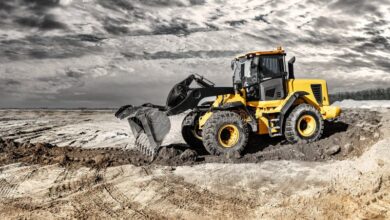
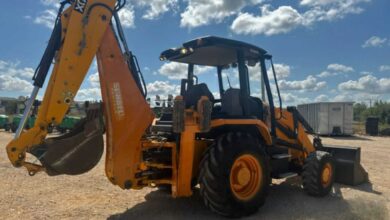
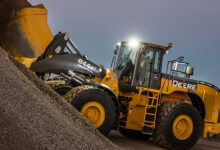
- Construction machinery including cranes, excavators, and bulldozers
- Medical equipment like MRI machines, X-ray machines, and lab instruments
- Agricultural machinery such as tractors, harvesters, and irrigation systems
Challenges Faced by Machinery Movers
- Weight and size limitations of the machinery being moved
- Navigating through narrow spaces and tight corners during transportation
- Ensuring proper securing of the equipment to prevent shifting or damage
- Coordinating with other contractors or professionals involved in the move
- Adhering to safety regulations and guidelines to prevent accidents and injuries
Services Offered by Machinery Movers
When it comes to moving heavy machinery, machinery movers offer a range of services to ensure a smooth and safe relocation process. These services are designed to handle all aspects of the move, from planning to transportation, with a focus on efficiency and safety.
Typical Services Provided
- Assessment of machinery and site: Machinery movers will assess the machinery to be moved and the site where it is located to determine the best approach for the move.
- Customized moving plan: Based on the assessment, a customized moving plan will be created to outline the steps involved in the relocation process.
- Heavy lifting and rigging: Machinery movers have the equipment and expertise to safely lift and rig heavy machinery for transportation.
- Transportation: Machinery movers will arrange for the transportation of the machinery to its new location, whether it’s across town or across the country.
- Installation and setup: Upon arrival at the new site, machinery movers will install and set up the machinery according to the manufacturer’s specifications.
Planning a Machinery Move
- Site visit and assessment: Machinery movers will conduct a site visit to assess the machinery and the site conditions to plan the move effectively.
- Customized moving plan: A detailed moving plan will be created, outlining the timeline, logistics, and safety measures for the move.
- Coordination with stakeholders: Machinery movers will coordinate with all stakeholders involved in the move, including the machinery owners, site managers, and transportation providers.
Ensuring Safety During Transportation
- Secure packaging and crating: Machinery movers will ensure that the machinery is securely packaged and crated to prevent damage during transportation.
- Professional rigging and lifting: Skilled professionals will handle the rigging and lifting of the machinery to ensure safety and prevent accidents.
- Specialized transportation vehicles: Machinery movers use specialized vehicles equipped with features like air-ride suspension and climate control to transport machinery safely.
Specialized Services
- International shipping: Machinery movers offer services for shipping machinery overseas, including customs clearance and documentation.
- Storage facilities: Some machinery movers provide short-term or long-term storage facilities for machinery that needs to be stored before or after relocation.
- Emergency moves: Machinery movers can handle emergency moves for machinery that needs to be relocated quickly due to unforeseen circumstances.
Factors to Consider When Hiring Machinery Movers
When it comes to hiring machinery movers, there are several key factors that you should take into consideration to ensure a smooth and successful moving process. From pricing structures to insurance coverage, each factor plays a crucial role in determining the most suitable machinery moving company for your needs.
Pricing Structures
- Compare quotes from different machinery moving companies to get an idea of the cost involved.
- Consider the services included in the price and whether there are any additional fees for extra services.
- Ensure that the pricing structure is transparent and clearly outlined to avoid any unexpected costs.
Insurance Coverage
- Verify that the machinery moving company has adequate insurance coverage to protect your equipment during the moving process.
- Check the insurance policies and coverage limits to make sure they align with your needs and the value of your machinery.
- Ask about liability coverage in case of any damage or accidents that may occur during the move.
Selecting the Most Suitable Company
- Research the reputation and experience of the machinery moving companies you are considering.
- Read reviews and testimonials from previous clients to gauge the quality of service provided by each company.
- Ask for references and inquire about the specific experience they have with moving machinery similar to yours.
Equipment Used by Machinery Movers
Machinery movers utilize a variety of specialized equipment to safely and efficiently transport heavy machinery and equipment from one location to another. These tools are essential in ensuring that the moving process is carried out smoothly and without any damage to the equipment being transported.
Essential Equipment for Machinery Moving
- Flatbed Trucks: Flatbed trucks are used to transport heavy machinery from one location to another. They provide a stable platform for the equipment and can accommodate large and heavy loads.
- Forklifts: Forklifts are used to lift and move heavy machinery onto and off of trucks or trailers. They play a crucial role in the loading and unloading process.
- Cranes: Cranes are used to lift and place heavy machinery in tight or elevated spaces. They are essential for moving equipment to and from difficult locations.
- Skates and Rollers: Skates and rollers are used to move heavy machinery within a confined space or on a smooth surface. They make it easier to position the equipment for loading and unloading.
Advancements in Machinery Moving Technology
Advancements in machinery moving technology have led to the development of specialized equipment with increased efficiency and safety features.
- GPS Tracking: Machinery movers now use GPS tracking systems to monitor the location of equipment in transit, ensuring timely delivery and security.
- Lift Systems: Modern lift systems offer greater precision and control when lifting and moving heavy machinery, reducing the risk of damage.
- Hydraulic Trailers: Hydraulic trailers provide a smoother and more stable ride for heavy equipment during transportation, minimizing vibrations and impact.
Ensuring Safe Handling of Heavy Equipment
- Proper Training: Machinery movers undergo rigorous training to safely operate the equipment and handle heavy machinery during the moving process.
- Secure Packaging: Heavy equipment is securely packaged and protected to prevent damage during transportation, using techniques such as padding and strapping.
- Risk Assessment: Machinery movers conduct thorough risk assessments before moving heavy equipment to identify potential hazards and mitigate risks.
Safety Protocols Followed by Machinery Movers
When it comes to machinery moving, safety is paramount to protect both the movers and the equipment being relocated. Machinery movers adhere to strict safety protocols to ensure a smooth and incident-free moving process.
Safety Measures Taken During Machinery Relocation
- Thorough inspection of the machinery to identify potential hazards and ensure it is properly secured for transport.
- Utilization of specialized rigging equipment such as cranes, forklifts, and dollies to safely lift and move heavy machinery.
- Securing the machinery with straps, chains, and other restraints to prevent shifting during transit.
- Protective measures such as wearing personal protective equipment (PPE) like helmets, gloves, and steel-toed boots.
- Creating a detailed moving plan that includes risk assessments and contingency measures in case of emergencies.
Training Requirements for Machinery Moving Professionals
- Machinery moving professionals undergo rigorous training to learn proper lifting techniques, equipment operation, and safety protocols.
- Certifications such as OSHA (Occupational Safety and Health Administration) training may be required for machinery movers to ensure compliance with safety standards.
- Ongoing training and refresher courses are provided to machinery movers to keep their skills sharp and up-to-date with the latest safety practices.
Risk Mitigation During the Moving Process
- Having a designated safety officer on-site to oversee the moving process and address any safety concerns that may arise.
- Following a strict chain of command to ensure clear communication and coordination among the moving team.
- Implementing emergency response protocols in case of accidents or unforeseen circumstances during the machinery relocation.
- Regular maintenance and inspection of moving equipment to prevent malfunctions or failures that could lead to safety hazards.
Challenges Faced by Machinery Movers
Machinery movers encounter various challenges during their operations, ranging from logistical issues to unexpected obstacles that can impact the moving process.
Common Challenges Encountered
One common challenge faced by machinery movers is dealing with oversized or heavy machinery that requires specialized equipment and techniques for safe transportation. Additionally, navigating narrow spaces, tight corners, and uneven terrain can pose challenges during the moving process.
How Machinery Movers Overcome Logistical Obstacles
To overcome logistical obstacles, machinery movers carefully plan each move, considering factors such as route mapping, equipment requirements, and safety protocols. They may also conduct site visits to assess the location and identify potential challenges beforehand.
Examples of Unexpected Challenges
Unexpected challenges during machinery moves can include last-minute changes in schedule, equipment malfunctions, or unforeseen road closures. Machinery movers must be flexible and resourceful in finding solutions to these unexpected obstacles to ensure a successful move.
Impact of External Factors
External factors such as weather conditions, traffic congestion, or regulatory restrictions can significantly impact machinery moving operations. Machinery movers must closely monitor these factors and adjust their plans accordingly to minimize delays and ensure the safety of the equipment being transported.
Case Studies of Successful Machinery Moves
In the world of machinery moving, successful projects are a testament to the expertise and precision of machinery movers. Let’s delve into some real-life examples of successful machinery moves and explore the strategies that led to their success.
Case Study 1: Moving Heavy Industrial Equipment
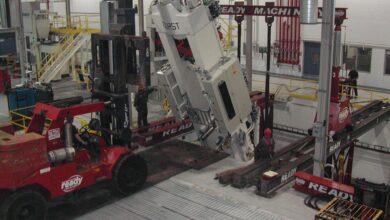
One of the successful machinery moves involved relocating heavy industrial equipment from one manufacturing facility to another. The machinery movers meticulously planned the move, considering factors such as the size and weight of the equipment, the route to be taken, and any potential obstacles along the way. They utilized specialized lifting equipment and transport vehicles to ensure the safe and efficient relocation of the machinery.
The innovative approach taken by the machinery movers was to create a customized rigging solution to lift and transport the heavy equipment through narrow corridors and tight spaces within the facility. By thinking outside the box and leveraging their expertise, the machinery movers were able to execute the move flawlessly.
The outcome of this successful machinery relocation was a seamless transition of the equipment to its new location, minimizing downtime and ensuring the continued operation of the manufacturing facility. The benefits included cost savings, increased efficiency, and overall client satisfaction.
Case Study 2: Precision Machinery Installation
In another case, machinery movers were tasked with the installation of precision machinery in a high-tech production facility. The movers meticulously planned the installation process, considering factors such as alignment, calibration, and safety protocols. They employed specialized tools and equipment to ensure the accurate placement and setup of the machinery.
An innovative approach taken by the machinery movers was the use of laser alignment technology to precisely position the machinery within micrometer accuracy. This advanced technique helped optimize the performance of the equipment and enhance the overall productivity of the production facility.
The successful outcome of this machinery installation project was a significant improvement in production efficiency, reduced maintenance costs, and enhanced product quality. The client was extremely satisfied with the precision and professionalism demonstrated by the machinery movers.
Environmental Considerations in Machinery Moving
When it comes to machinery moving, environmental considerations play a crucial role in ensuring sustainable practices and minimizing the impact on the environment. Machinery movers are increasingly adopting eco-friendly initiatives to address these concerns.
Sustainable Practices in Machinery Moving
- Machinery movers prioritize the use of energy-efficient equipment to reduce carbon emissions during transportation.
- Companies are investing in eco-friendly packaging materials that are recyclable and biodegradable.
- Implementing route optimization strategies to minimize fuel consumption and reduce greenhouse gas emissions.
Examples of Eco-Friendly Initiatives
- Some machinery moving companies have switched to electric vehicles or hybrid trucks to lower their carbon footprint.
- Utilizing solar panels on warehouses and offices to generate renewable energy and reduce reliance on traditional power sources.
- Partnering with recycling facilities to properly dispose of old machinery and equipment in an environmentally friendly manner.
Impact of Machinery Moving on the Environment
- Transportation of heavy machinery can contribute to air pollution and greenhouse gas emissions.
- Improper disposal of machinery can lead to soil and water contamination, impacting local ecosystems.
- To minimize environmental impact, machinery movers must adhere to strict regulations and best practices for waste management and pollution control.
Customer Reviews and Testimonials of Machinery Movers
Customer reviews and testimonials play a crucial role in the decision-making process when choosing a machinery moving company. They provide valuable insights into the experiences of past customers and can help potential clients gauge the reliability and quality of services offered by machinery movers.
Importance of Customer Reviews
Customer reviews are a reflection of the overall reputation of a machinery moving company. Positive reviews can instill confidence in potential clients, showcasing the company’s professionalism, efficiency, and customer satisfaction. On the other hand, negative reviews can serve as warning signs, highlighting areas of improvement or potential red flags.
- Positive feedback commonly found in customer reviews includes:
- Timely and efficient service
- Professional and courteous staff
- Safe handling of machinery
- Transparent pricing and communication
- Negative feedback commonly found in customer reviews includes:
- Delays in delivery or pickup
- Damaged or mishandled machinery
- Poor communication or lack of responsiveness
- Hidden fees or unexpected charges
Influence of Customer Testimonials
Customer testimonials serve as powerful endorsements for machinery movers, showcasing real-life experiences and success stories. Positive testimonials can significantly enhance the reputation of a machinery moving company, building trust and credibility among potential clients.
Tips for Evaluating Reviews
When evaluating customer reviews, potential clients should consider the following tips:
- Look for patterns in feedback to identify common strengths and weaknesses.
- Check for responses from the company to address any negative reviews or concerns.
- Consider the overall rating and the number of reviews to gauge the reliability of feedback.
- Seek out detailed reviews that provide specific examples and experiences.
- Ask for recommendations from trusted sources or industry professionals.
Future Trends in Machinery Moving Industry
The machinery moving industry is constantly evolving, driven by advancements in technology, changes in consumer demands, and emerging market trends. As we look ahead, several key trends are expected to shape the future of machinery moving practices and present new challenges and opportunities for companies in this sector.
Automation and Robotics Integration
With the rise of automation and robotics technology, machinery moving companies are likely to adopt more automated solutions to streamline operations and enhance efficiency. Automated guided vehicles (AGVs) and robotic arms are increasingly being used to move heavy equipment, reducing the need for manual labor and improving precision in handling delicate machinery.
Internet of Things (IoT) Implementation
The integration of IoT devices in machinery moving processes allows for real-time tracking of equipment, monitoring of environmental conditions, and predictive maintenance scheduling. IoT-enabled sensors on machinery can provide valuable data to optimize logistics, prevent breakdowns, and ensure safe transportation of equipment.
Sustainable Practices and Green Initiatives
As environmental concerns continue to grow, machinery moving companies are expected to prioritize sustainability in their operations. This includes investing in eco-friendly equipment, reducing carbon emissions, and implementing recycling and waste reduction measures. Adopting green initiatives will not only appeal to environmentally conscious customers but also help companies comply with regulations and reduce costs in the long run.
Augmented Reality (AR) and Virtual Reality (VR) Applications
AR and VR technologies are revolutionizing the way machinery movers plan and execute complex moves. These immersive technologies enable workers to visualize equipment placements, simulate different scenarios, and identify potential risks before actual implementation. By utilizing AR and VR tools, machinery moving companies can improve safety, efficiency, and accuracy in their operations.
Digitalization of Documentation and Communication
With the shift towards digitalization, paperwork-heavy processes in machinery moving are being replaced by digital documentation and communication systems. Cloud-based platforms, electronic signatures, and online tracking portals are becoming standard tools for managing inventory, scheduling deliveries, and sharing information with clients. Embracing digital solutions will enhance transparency, collaboration, and overall customer experience.
Last Word
As we conclude our discussion on machinery movers near me, it becomes evident that their expertise and dedication are paramount in the successful relocation of heavy machinery. With a focus on safety, efficiency, and environmental sustainability, these professionals continue to shape the future of the industry.

Digital content creator with an eye for detail and a focus on trending global topics.