Beginning with bulldozer, the narrative unfolds in a compelling and distinctive manner, drawing readers into a story that promises to be both engaging and uniquely memorable.
Bulldozers are heavy-duty machines that play a crucial role in construction, mining, and agriculture. From their history to working mechanisms and environmental impact, bulldozers are versatile equipment used across different industries.





Overview of Bulldozer
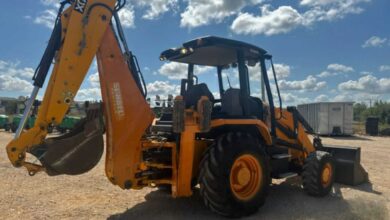
Bulldozers are heavy-duty construction machines designed for pushing, excavating, and leveling various materials such as soil, sand, and debris. These powerful vehicles are commonly used in construction, mining, agriculture, and forestry industries for earthmoving tasks.
Typical Features and Components
Bulldozers typically consist of a large metal blade in the front that can be raised, lowered, and tilted to push materials. They also have a rear ripper attachment for breaking up hard ground. The tracks provide stability and traction, allowing bulldozers to navigate rough terrains easily. Most bulldozers are equipped with a powerful engine, hydraulic systems, and a comfortable operator cabin.
Types and Sizes
There are various types and sizes of bulldozers available to suit different applications. Small bulldozers, also known as compact bulldozers or dozers, are ideal for landscaping and smaller construction projects. Medium-sized bulldozers are commonly used in road construction and land clearing. Large bulldozers, such as crawler dozers, are used in mining and heavy construction projects due to their high horsepower and capability to handle large volumes of material.
Bulldozer History
The history of bulldozers dates back to the early 20th century, where they were originally modified farm tractors with a blade attached to the front for pushing dirt and debris. Over time, bulldozers evolved to become powerful construction and earth-moving machines that play a crucial role in various industries.
Origins of Bulldozer
Bulldozers have their origins in the agricultural sector, where they were first used to clear land and move heavy materials on farms. The development of the bulldozer as a construction equipment began in the 1920s when companies started modifying existing machinery to create more efficient earth-moving equipment.
Historical Significance
The introduction of bulldozers revolutionized the construction and agriculture industries by significantly increasing productivity and efficiency. They enabled workers to move large quantities of earth and materials quickly, leading to faster project completion times and cost savings.
Key Technological Advancements
– In the 1930s, hydraulic systems were introduced to bulldozers, allowing for more precise control over the blade and other functions.
– The 1950s saw the development of track-mounted bulldozers, which provided better traction and maneuverability in rough terrain.
– Modern bulldozers feature advanced GPS and telematics systems for improved accuracy and efficiency in earth-moving operations.
Bulldozer Working Mechanism
Bulldozers are powerful machines used for pushing and moving heavy materials such as soil, sand, or debris. They are essential in construction, mining, and other industries that require earthmoving operations.
Engine and Tracks
Bulldozers are equipped with a large engine that provides the necessary power to operate. The engine drives hydraulic pumps, which control the movement of the bulldozer. The tracks, also known as treads, are responsible for moving the bulldozer forward, backward, and turning. These tracks provide stability and traction, allowing the bulldozer to navigate through rough terrains.
Blades and Ripper
The blade, located at the front of the bulldozer, is used for pushing and leveling materials. It can be angled to the desired position for efficient pushing and spreading of materials. Some bulldozers are also equipped with a ripper at the back, which is used for breaking up hard surfaces like rock or concrete.
Hydraulics
Hydraulics play a crucial role in controlling the movements of a bulldozer. Hydraulic cylinders are used to raise and lower the blade, tilt it from side to side, and adjust its angle. The hydraulic system also controls the movement of the tracks, allowing the operator to maneuver the bulldozer with precision and efficiency.
Applications of Bulldozers
Bulldozers are versatile heavy equipment commonly used in various industries due to their ability to perform a wide range of tasks efficiently. From construction sites to mining operations and agricultural fields, bulldozers play a crucial role in completing projects effectively.
Construction Industry
- Bulldozers are essential for site preparation, clearing land, and leveling terrain before construction begins.
- They are used to push and move large quantities of soil, rocks, and debris, making way for building foundations, roads, and other structures.
- With their powerful blades, bulldozers can grade and shape the land according to project specifications.
Mining Industry
- Bulldozers are utilized in mining operations to move and transport heavy materials such as ore, coal, and minerals.
- They are crucial for creating access roads, leveling mining sites, and constructing tailings dams.
- Due to their robust build and maneuverability, bulldozers can navigate through challenging terrain in mining environments.
Agricultural Sector
- In agriculture, bulldozers are used for land clearing, preparing fields for planting, and creating irrigation channels.
- They help in removing obstacles, rocks, and trees from agricultural land, improving productivity and efficiency.
- Bulldozers are also employed in building and maintaining farm roads, ensuring smooth transportation of agricultural produce.
Bulldozer Maintenance
Regular maintenance is crucial to ensure that a bulldozer remains in optimal condition and performs efficiently throughout its lifespan. By following essential maintenance practices, such as inspections, cleaning, and servicing of key components, operators can extend the longevity of their bulldozers and avoid costly repairs.
Importance of Regular Inspections
Regular inspections play a vital role in identifying any potential issues or wear and tear in the bulldozer’s components. By conducting routine checks on the engine, hydraulic systems, tracks, and blades, operators can catch problems early on and address them before they escalate into major issues. Inspections also help in maintaining safety standards and preventing accidents on the job site.
Cleaning and Servicing Key Components
Cleaning the bulldozer regularly is essential to prevent the buildup of dirt, debris, and other contaminants that can affect its performance. Keeping the air filters, radiators, and hydraulic systems clean ensures proper functioning and prevents overheating or clogging. Additionally, servicing key components such as the engine, transmission, and undercarriage according to the manufacturer’s recommendations helps in maintaining optimal performance and efficiency.
Tips for Extending Lifespan
– Follow the manufacturer’s maintenance schedule and recommendations for servicing intervals.
– Keep the bulldozer clean by regularly washing off dirt, mud, and debris.
– Check and maintain proper fluid levels, including engine oil, hydraulic fluid, and coolant.
– Inspect and replace worn-out parts, such as tracks, blades, and filters, in a timely manner.
– Store the bulldozer in a covered area when not in use to protect it from the elements and corrosion.
Types of Bulldozer Blades
When it comes to bulldozers, the type of blade used plays a crucial role in determining the machine’s effectiveness in various applications. Different blade types offer unique functions and advantages, making them suitable for specific tasks. Understanding the differences between straight, u-shaped, and angle blades is essential for selecting the right blade for a bulldozer.
Straight Blades
Straight blades are the most common type of blade found on bulldozers. They are versatile and ideal for pushing materials such as soil, sand, and gravel in a straight line. The straight design allows for efficient leveling and grading of surfaces, making them suitable for general earthmoving tasks.
U-Shaped Blades
U-shaped blades, also known as semi-universal blades, have a curved design that helps contain materials being pushed. These blades are excellent for carrying and transporting loose materials over short distances. The curved shape allows for better control and containment of materials, making them ideal for tasks that require precise material placement.
Angle Blades
Angle blades have a V-shaped design that allows for angling the blade to the left or right. This flexibility enables the bulldozer to push materials to the side, making them suitable for tasks such as ditching, backfilling, and creating slopes. Angle blades are particularly useful for shaping terrain and performing intricate finishing work.
Bulldozer Safety Measures
When operating a bulldozer, it is crucial to prioritize safety to prevent accidents and injuries. By identifying common safety hazards, implementing best practices, and following proper training and protocols, operators and workers can ensure a safe working environment around bulldozers.
Common Safety Hazards
- Uneven terrain: Bulldozers are often used in rugged landscapes, which can lead to instability and tipping over if not operated carefully.
- Poor visibility: Limited visibility from the operator’s seat can result in accidents with other workers or obstacles on the worksite.
- Equipment malfunctions: Mechanical failures or lack of maintenance can pose significant safety risks to operators and those nearby.
Best Practices for Bulldozer Safety
- Perform pre-operation checks: Inspect the bulldozer for any damages or malfunctions before use to ensure it is safe to operate.
- Use seat belts: Operators should always wear seat belts while operating the bulldozer to prevent ejection in case of sudden movements.
- Communication: Establish clear communication with ground workers to avoid accidents and coordinate movements effectively.
Importance of Training and Certifications
Proper training and certifications are essential for bulldozer operators to understand the equipment, safety protocols, and best practices. By investing in training programs, operators can enhance their skills and knowledge, reducing the risks of accidents and ensuring a safer work environment for everyone involved.
Environmental Impact of Bulldozers
Bulldozers play a crucial role in construction and land development projects, but their operation can have significant environmental implications. It is essential to understand these impacts and explore ways to minimize the ecological footprint of bulldozer operations through sustainable practices and technologies.
Soil Erosion and Habitat Destruction
Bulldozers are powerful machines that can disturb the natural landscape, leading to soil erosion and habitat destruction. The heavy machinery can compact the soil, disrupt vegetation, and alter the natural drainage patterns of the land. This can result in increased erosion, loss of biodiversity, and disruption of ecosystems.
Air and Noise Pollution
The diesel engines of bulldozers emit pollutants such as nitrogen oxides, particulate matter, and carbon monoxide, contributing to air pollution. Additionally, the noise generated by bulldozer operations can disturb wildlife, impacting their behavior and habitat. It is essential to mitigate these effects to protect the environment and surrounding communities.
Fuel Consumption and Carbon Footprint
Bulldozers are heavy machinery that consume large amounts of fuel during operation. The burning of fossil fuels releases greenhouse gases into the atmosphere, contributing to climate change. By implementing fuel-efficient technologies and practices, such as engine tuning and proper maintenance, the carbon footprint of bulldozer operations can be reduced.
Sustainable Practices and Technologies
To minimize the environmental impact of bulldozers, it is crucial to adopt sustainable practices and technologies. This includes using biodiesel or electric-powered bulldozers, implementing erosion control measures, restoring disturbed habitats, and properly managing construction waste. By integrating these sustainable approaches into bulldozer operations, we can protect the environment and promote long-term ecological sustainability.
Future Trends in Bulldozer Technology
The future of bulldozer technology holds exciting possibilities for advancements that could revolutionize the construction industry. Emerging trends such as automation, electrification, and digital integration are set to transform the way bulldozers operate, enhancing efficiency and sustainability in the process.
Automation in Bulldozer Technology
Automation is poised to play a significant role in the future of bulldozer technology. Advanced sensors and artificial intelligence algorithms will enable bulldozers to operate autonomously, increasing precision and productivity. These autonomous bulldozers can work around the clock without human intervention, improving efficiency on construction sites.
Electrification of Bulldozers
The shift towards electrification in bulldozer technology is gaining momentum. Electric bulldozers offer reduced emissions, lower operating costs, and quieter operation compared to traditional diesel-powered models. As battery technology continues to advance, electric bulldozers are expected to become more prevalent in the construction industry, contributing to a greener and more sustainable future.
Digital Integration for Enhanced Performance
Digital technologies such as telematics and GPS tracking are increasingly being integrated into bulldozer design. These digital tools provide real-time data on machine performance, fuel consumption, and maintenance needs, allowing operators to optimize their workflows and minimize downtime. The integration of digital solutions will continue to improve the overall efficiency and reliability of bulldozer operations.
Enhanced Safety Features
Future bulldozer technology is likely to focus on incorporating advanced safety features to protect both operators and bystanders. Technologies such as proximity sensors, collision avoidance systems, and operator assistance tools will enhance safety on construction sites, reducing the risk of accidents and injuries.
Sustainable Innovations
In response to growing environmental concerns, future bulldozer technology will prioritize sustainability. Manufacturers are exploring alternative fuel sources, advanced emission control systems, and eco-friendly materials in bulldozer construction. These sustainable innovations aim to minimize the environmental impact of bulldozer operations while meeting stringent regulatory requirements.
Bulldozer Market Analysis
The bulldozer market is a vital component of the construction and infrastructure development sector globally. As countries continue to invest in building and upgrading their infrastructure, the demand for bulldozers remains strong. Let’s delve into the key factors shaping the bulldozer market and the competitive landscape within the industry.
Current Market Trends and Demand
Currently, there is a steady increase in the demand for bulldozers due to ongoing construction projects, road maintenance, mining operations, and land development activities worldwide. Emerging economies are driving the market growth, with a focus on expanding their transportation networks and urban infrastructure.
- Rapid urbanization and industrialization are propelling the need for heavy machinery like bulldozers to clear land, build roads, and prepare construction sites efficiently.
- The rise in government initiatives for infrastructure development projects, such as building highways, airports, and railways, is fueling the demand for bulldozers in both developed and developing countries.
- The adoption of technologically advanced bulldozers with features like GPS tracking, automated controls, and improved fuel efficiency is also influencing market trends.
Key Factors Influencing Market Growth
The growth of the bulldozer market is influenced by various factors, including:
- Economic conditions and government investments in infrastructure projects.
- Technological advancements in bulldozer design and capabilities.
- Environmental regulations impacting the use of bulldozers in sensitive areas.
- Competitive pricing strategies by manufacturers to attract customers.
Major Players and Competition
The bulldozer manufacturing industry is dominated by key players such as Caterpillar Inc., Komatsu Ltd., John Deere, and Liebherr Group. These companies compete based on product quality, innovation, after-sales service, and global presence. The competition is intense, leading to continuous product improvements and market expansion strategies.
Challenges in the Bulldozer Industry
Despite the growing demand for bulldozers, the industry faces several challenges, including:
- Fluctuating raw material prices impacting manufacturing costs.
- Regulatory challenges related to emissions standards and environmental impact.
- Intense competition leading to pricing pressures and margin constraints.
- Skills shortage in operating and maintaining bulldozers, especially in emerging markets.
Famous Bulldozer Projects
Bulldozers have been instrumental in shaping some of the most iconic construction projects around the world. From massive infrastructure developments to historical events, these powerful machines have played a crucial role in transforming landscapes and building essential structures.
The Panama Canal Construction
The construction of the Panama Canal is one of the most famous projects where bulldozers were extensively used. Bulldozers were essential in clearing the dense jungle, excavating millions of cubic meters of earth, and creating the necessary pathways for the canal to be built. Their power and versatility were crucial in completing this engineering marvel that connected the Atlantic and Pacific Oceans.
The Hoover Dam Project
The construction of the Hoover Dam in the United States is another notable project where bulldozers played a pivotal role. Bulldozers were used to clear the rugged terrain, create access roads, and excavate the massive amount of earth and rock needed for the dam’s foundation. Their efficiency and strength helped in the successful completion of this iconic structure that provides hydroelectric power and water supply to millions of people.
The Great Wall of China Restoration
In the restoration and preservation efforts of the Great Wall of China, bulldozers were employed to clear vegetation, reinforce the structure, and maintain its integrity. Bulldozers were crucial in providing access to remote sections of the wall, allowing for necessary repairs and conservation work to be carried out effectively. Their role in this project showcases their importance in historical preservation and cultural heritage.
Concluding Remarks
In conclusion, bulldozers continue to be indispensable in various sectors due to their versatility and power. Whether shaping landscapes or aiding in construction projects, these machines are vital for heavy-duty tasks.

Digital content creator with an eye for detail and a focus on trending global topics.