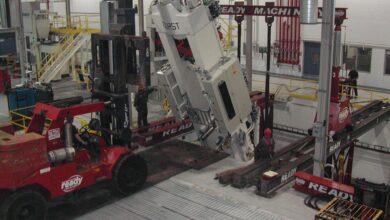
Heavy duty truck ramps play a crucial role in the transportation industry, providing a safe and efficient way to load and unload heavy vehicles. Let’s delve into the key aspects of these ramps to help you make an informed decision when choosing the right one for your needs.
Introduction to Heavy Duty Truck Ramps
Heavy duty truck ramps are specialized equipment designed to assist in loading and unloading heavy vehicles onto trailers or trucks. These ramps are crucial for ensuring efficient and safe transportation of goods and equipment.




Using quality truck ramps is essential to prevent accidents, damage to vehicles, and injuries to personnel. Investing in sturdy and durable ramps can enhance productivity and minimize costly mishaps.
Types of Heavy Duty Truck Ramps
- Steel Ramps: Known for their strength and durability, steel ramps are ideal for heavy-duty applications. They can support significant weight capacities and are resistant to wear and tear.
- Aluminum Ramps: Lightweight yet robust, aluminum ramps are popular for their portability and corrosion resistance. They are suitable for various truck sizes and are easy to handle.
- Folding Ramps: These ramps offer convenience and space-saving benefits. They can be folded for compact storage when not in use, making them ideal for frequent transportation needs.
- Telescoping Ramps: Adjustable in length, telescoping ramps provide flexibility for loading vehicles of different sizes. They are versatile and can accommodate various loading heights.
Materials Used in Heavy Duty Truck Ramps
Heavy duty truck ramps are constructed using a variety of materials, each with its own unique properties and benefits. The choice of material can greatly impact the durability, strength, and overall performance of the ramp.
Steel
Steel is a common material used in heavy duty truck ramps due to its strength and durability. Steel ramps can support heavy loads and withstand frequent use without bending or warping. Examples of steel ramps include the popular steel folding ramps that are easy to transport and set up.
Aluminum
Aluminum is another popular choice for heavy duty truck ramps. It is lightweight yet strong, making it easy to handle while still providing the necessary support for trucks and heavy equipment. Aluminum ramps are also resistant to corrosion, making them ideal for outdoor use.
Composite Materials
Composite materials, such as reinforced plastic or fiberglass, are also used in the construction of heavy duty truck ramps. These materials offer a good balance of strength and weight, making them a versatile option for various applications. Composite ramps are often used in industries where non-conductive materials are required.
Wood
Wood is a traditional material used in the construction of truck ramps. While not as durable as steel or aluminum, wooden ramps are cost-effective and suitable for lighter loads. They are often used in temporary or light-duty applications where portability is key.
Rubber
Rubber ramps are designed to provide traction and prevent slippage when loading or unloading trucks. They are often used in conjunction with other materials, such as steel or aluminum, to enhance safety and stability. Rubber ramps are commonly seen in loading docks and warehouses.
Overall, the choice of material for heavy duty truck ramps depends on the specific application, budget, and desired features such as weight, durability, and anti-slip properties.
Design Features of Heavy Duty Truck Ramps
When it comes to heavy duty truck ramps, the design features play a crucial role in ensuring safety, efficiency, and ease of use. Let’s explore some key design elements that make these ramps reliable and functional.
Non-Slip Surfaces and Safety Mechanisms
Having non-slip surfaces on heavy duty truck ramps is essential to prevent accidents and ensure the safety of the users. These surfaces provide traction for the tires of the trucks, especially in wet or slippery conditions, reducing the risk of slippage during loading and unloading operations. Additionally, incorporating safety mechanisms such as side rails, wheel stops, or locking mechanisms adds an extra layer of protection, preventing trucks from rolling off the ramps inadvertently.
Impact on Ease of Use and Functionality
The design of heavy duty truck ramps can greatly impact their ease of use and functionality. Features such as adjustable heights, foldable designs, or lightweight materials can make it easier to set up and transport the ramps as needed. Moreover, the angle and width of the ramps can affect how smoothly trucks can ascend and descend, influencing the overall efficiency of loading and unloading processes. By considering these design aspects, heavy duty truck ramps can be optimized for maximum convenience and performance.
Weight Capacity and Load Limitations
When it comes to heavy duty truck ramps, understanding weight capacity and load limitations is crucial to ensure safety and efficiency in loading and unloading operations. Matching the ramp’s capacity with the truck’s weight is essential to prevent accidents and damage to both the ramp and the vehicle.
Weight Capacities of Heavy Duty Truck Ramps
- Heavy duty truck ramps typically have weight capacities ranging from 5,000 lbs to 30,000 lbs, depending on the model and design.
- Ramps with higher weight capacities are suitable for heavy-duty trucks, while those with lower capacities are ideal for smaller vehicles.
Load Limitations
- It is important to adhere to the load limitations specified by the manufacturer to avoid overloading the ramp.
- Exceeding the load limitations can result in structural damage to the ramp and pose safety risks during loading and unloading.
- Always check the weight capacity and load limitations of the ramp before using it with a specific truck or vehicle.
Examples of Heavy Duty Truck Ramps Designed for Specific Weight Limits
- The XYZ Heavy Duty Truck Ramp has a weight capacity of 20,000 lbs, making it suitable for medium-sized trucks and vehicles.
- For larger trucks with a weight capacity of up to 30,000 lbs, the ABC Heavy Duty Truck Ramp is the ideal choice, providing ample support and stability during loading and unloading operations.
Installation and Setup of Heavy Duty Truck Ramps
Installing heavy duty truck ramps securely is crucial to ensure safety and efficiency when loading and unloading vehicles. Proper setup is essential to prevent accidents and damage to both the ramps and the trucks. Here are the steps involved in installing heavy duty truck ramps and some tips to ensure stability and safety:
Steps for Installing Heavy Duty Truck Ramps
- Choose a flat and stable surface: Before installing the ramps, make sure the surface is flat and stable to prevent any movement or shifting during use.
- Position the ramps: Place the ramps at the desired location on the ground, ensuring they are aligned properly with the truck’s wheels for a smooth transition.
- Secure the ramps: Use the provided securing mechanism, such as safety straps or chocks, to anchor the ramps in place and prevent any sliding or displacement while in use.
- Test the setup: After installation, perform a test run with a vehicle to ensure the ramps can support the weight and provide a safe loading/unloading experience.
Tips for Proper Setup of Heavy Duty Truck Ramps
- Inspect the ramps regularly: Before each use, check the ramps for any signs of damage or wear and tear that could compromise their integrity.
- Follow the manufacturer’s guidelines: Adhere to the recommended setup instructions provided by the manufacturer to ensure proper installation and usage of the ramps.
- Use additional support if needed: For extra stability, consider using additional support devices such as wheel chocks or support stands to reinforce the ramps.
Common Mistakes to Avoid During Installation
- Ignoring weight capacity limits: Exceeding the weight capacity of the ramps can lead to structural failure and accidents, so always adhere to the specified limits.
- Incorrect positioning: Improper alignment of the ramps with the truck’s wheels can cause instability and make loading/unloading unsafe, so take the time to position them correctly.
- Failure to secure the ramps: Neglecting to secure the ramps in place can result in shifting or sliding during use, posing a risk to both the vehicle and the operator.
Maintenance and Care of Heavy Duty Truck Ramps
Regular maintenance is crucial for extending the lifespan of heavy-duty truck ramps, ensuring they remain safe and reliable for loading and unloading vehicles. Proper care and upkeep also help prevent accidents and damage, saving costs on repairs or replacements in the long run.
Cleaning Procedures for Heavy Duty Truck Ramps
- Regularly remove debris, dirt, and oil from the surface of the ramps using a broom or a pressure washer.
- Inspect for any signs of corrosion, rust, or damage, and address these issues promptly to prevent further deterioration.
- Clean the hinges and moving parts of the ramps to ensure smooth operation and prevent jamming.
- Use appropriate cleaning agents and follow manufacturer recommendations to avoid damaging the ramp’s surface or components.
Upkeep Tasks for Heavy Duty Truck Ramps
- Check for loose bolts, nuts, or fasteners regularly and tighten them as needed to maintain structural integrity.
- Lubricate moving parts such as hinges, pins, and joints to reduce friction and wear, ensuring smooth operation.
- Inspect the ramp’s surface for cracks, dents, or wear, and repair or replace damaged sections to prevent accidents during loading.
- Keep the ramps stored in a dry and covered area when not in use to protect them from weather elements and prolong their lifespan.
Storing Recommendations for Heavy Duty Truck Ramps
- Store the ramps on a flat surface to prevent warping or bending that could affect their performance.
- Avoid stacking heavy objects on top of the ramps to prevent deformation or structural damage.
- Use protective covers or tarps to shield the ramps from dust, moisture, and sunlight, which can cause deterioration over time.
- Secure the ramps properly during storage to prevent them from shifting or falling, potentially causing accidents or injuries.
Applications and Use Cases
Heavy duty truck ramps are versatile tools that find applications across various industries for efficient loading and unloading of heavy equipment and vehicles. These ramps are designed to withstand high weights and provide a stable surface for safe and convenient loading operations.
Construction Industry
- Heavy duty truck ramps are commonly used in the construction industry for loading and unloading heavy machinery such as excavators, bulldozers, and cranes onto trucks or trailers.
- These ramps provide a sturdy platform for equipment to be moved safely and efficiently, reducing the risk of accidents and damage during transportation.
Agricultural Sector
- In agriculture, heavy duty truck ramps are essential for loading and unloading tractors, harvesters, and other large farming equipment onto trucks for transportation between fields or farms.
- These ramps help streamline the process of moving heavy machinery, saving time and labor costs for farmers and ensuring the equipment remains secure during transit.
Logistics and Warehousing
- Logistics companies and warehouses make use of heavy duty truck ramps for loading and unloading goods from trucks and containers, facilitating smooth and efficient movement of cargo.
- These ramps are crucial in ensuring seamless operations in the supply chain, enabling the quick and safe transfer of heavy loads without causing damage to the goods or vehicles.
Safety Standards and Regulations
When it comes to heavy duty truck ramps, safety is paramount. These ramps are designed to withstand heavy loads and provide a secure surface for vehicles to be loaded and unloaded. To ensure the safety of users and the durability of the ramps, specific safety standards and regulations must be met.
Safety Standards for Heavy Duty Truck Ramps
- Ramps must comply with ANSI/ASME standards for design and construction.
- They should meet OSHA guidelines for workplace safety.
- Compliance with DOT regulations is essential for ramps used in transportation settings.
- ISO standards may also apply, depending on the intended use of the ramps.
Importance of Compliance for User Safety
- Adhering to safety standards ensures that the ramps are structurally sound and capable of bearing the intended loads without failure.
- Properly designed ramps reduce the risk of accidents, such as slips, falls, and equipment damage during loading and unloading procedures.
- Meeting safety regulations provides peace of mind to users, knowing that the equipment they are using has been tested and approved for safe operation.
Certification Processes for Heavy Duty Truck Ramps
- Ramps may undergo third-party testing and certification to verify compliance with relevant safety standards.
- Certificates of compliance or conformity are issued to confirm that the ramps meet all necessary regulations and guidelines.
- Manufacturers often display certification labels on their ramps to indicate that they have been tested and approved for use.
Accessories and Add-Ons for Truck Ramps
When it comes to heavy duty truck ramps, there are various accessories and add-ons available that can enhance their functionality and safety. These accessories are designed to make loading and unloading vehicles easier and more efficient, while also ensuring the safety of both the user and the equipment being transported.
Ramp Extensions
Ramp extensions are a popular add-on for heavy duty truck ramps, especially when dealing with vehicles that have a lower clearance. These extensions can provide additional length to the ramps, allowing for a smoother incline and making it easier to load and unload vehicles with low ground clearance.
Safety Chains
Safety chains are essential accessories that can be added to truck ramps to secure them in place during use. These chains help prevent the ramps from shifting or sliding during loading and unloading, reducing the risk of accidents and injuries. They provide an extra layer of security and stability, giving users peace of mind when using the ramps.
Wheel Chocks
Wheel chocks are another useful add-on for heavy duty truck ramps. These devices are placed behind the wheels of the vehicle being loaded or unloaded to prevent it from rolling back. Wheel chocks help keep the vehicle in place, ensuring a safe and stable loading process.
Adjustable Height Stands
Adjustable height stands are versatile add-ons that can be used with truck ramps to provide additional support and stability. These stands can be adjusted to different heights, allowing users to customize the loading angle and height according to their specific needs. They are particularly useful when dealing with uneven surfaces or varying truck heights.
Comparison with Standard Truck Ramps
When comparing heavy duty truck ramps with standard truck ramps, it is essential to consider the features and capabilities that each type offers. Heavy duty ramps are designed to withstand higher weight capacities and provide increased durability compared to standard ramps.
Advantages and Disadvantages
- Advantages of Heavy Duty Ramps:
- Higher weight capacity for heavy vehicles and equipment.
- Enhanced durability for long-term use.
- Increased stability and safety features.
- Suitable for industrial and commercial applications.
- Disadvantages of Heavy Duty Ramps:
- Higher cost compared to standard ramps.
- Requires more storage space due to larger size and weight.
- May not be necessary for light-duty vehicles or occasional use.
Appropriate Usage Scenarios
When considering whether to choose heavy duty ramps over standard ones, it is essential to assess the specific requirements of the job or application. Heavy duty ramps are ideal for industries such as construction, agriculture, and transportation, where heavy equipment and vehicles are regularly loaded and unloaded. On the other hand, standard ramps are more suitable for light-duty vehicles, personal use, or occasional loading tasks where lower weight capacities are sufficient.
Epilogue
In conclusion, heavy duty truck ramps offer a reliable solution for handling heavy loads with ease and safety. By understanding their design, materials, and applications, you can ensure smooth operations and optimal performance for your trucking needs.

Digital content creator with an eye for detail and a focus on trending global topics.