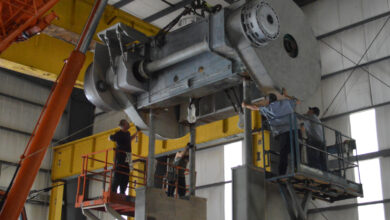
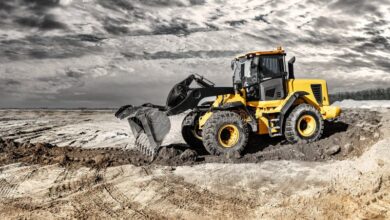
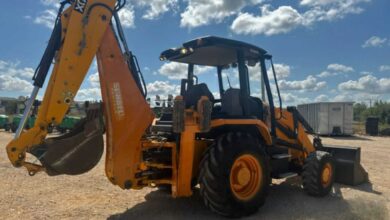
When it comes to heavy equipment movers near me, the quest for dependable local services begins. From researching key factors to understanding the significance of specialized equipment, this guide delves into the world of moving heavy machinery.
Research Process
When conducting a search for “heavy equipment movers near me” online, start by using a search engine and entering the specific keywords. This will generate a list of local heavy equipment moving companies in your area. Take note of the top results as they are likely to be the most relevant and popular options.


Key Factors to Consider
- Experience: Look for companies with a proven track record in moving heavy equipment. This can be verified through customer reviews, testimonials, and case studies.
- Licensing and Insurance: Ensure that the company is properly licensed and insured to protect your equipment and property during the move.
- Equipment and Resources: Check if the company has the necessary equipment, tools, and resources to handle the specific type of heavy equipment you need to move.
- Pricing: Get quotes from multiple companies and compare their pricing structures to find the best value for your budget.
- Availability: Confirm the availability of the company to schedule the move at a convenient time for you.
Verifying Credibility and Reliability
- Check for Accreditation: Look for certifications or memberships in industry associations that demonstrate the company’s commitment to quality and professionalism.
- References: Ask for references from past clients or business partners to get firsthand feedback on the company’s performance.
- Visit the Company: If possible, visit the company’s facilities to see their operations firsthand and assess their level of organization and professionalism.
- Online Reviews: Read online reviews and ratings on platforms like Google, Yelp, and social media to gauge the company’s reputation among customers.
Services Offered
When hiring a heavy equipment moving company, there are several common services you can expect to receive to ensure a smooth and successful move. These services are crucial in handling the transportation of heavy machinery safely and efficiently.
Common Services Provided:
- Equipment Transportation: Heavy equipment movers specialize in transporting large and heavy machinery from one location to another, whether it’s within a local area or across long distances.
- Equipment Loading and Unloading: Professional movers have the expertise and equipment to safely load and unload heavy machinery onto trucks or trailers.
- Permit Acquisition: Companies often assist in obtaining the necessary permits and approvals required for transporting oversized equipment on public roads.
- Route Planning: Movers plan out the most efficient and safe routes for transporting heavy equipment to its destination, considering factors like road conditions and potential obstacles.
- Equipment Assembly and Disassembly: In some cases, movers may also provide services for assembling or disassembling heavy equipment to facilitate transportation.
Importance of Specialized Equipment:
Specialized equipment plays a crucial role in the moving process of heavy machinery. Heavy equipment movers use tools and machinery specifically designed to handle the weight and size of large equipment. This equipment includes cranes, forklifts, and rigging systems that ensure the safe and secure handling of heavy machinery during transportation.
Ensuring Safe Transport:
To ensure the safe transport of heavy equipment, companies follow strict safety protocols and procedures. They conduct thorough inspections of equipment before loading, secure machinery properly using specialized rigging and strapping techniques, and employ trained professionals to oversee the entire moving process. Additionally, companies may provide insurance coverage to protect against any potential damages during transit.
Qualifications and Experience
When it comes to heavy equipment movers, qualifications and experience play a crucial role in ensuring the safe and efficient transportation of valuable machinery. Let’s delve into the requirements and the impact of experience on service quality.
Qualifications and Certifications
To be a professional heavy equipment mover, individuals or companies typically need to possess certain qualifications and certifications. These may include:
- Commercial driver’s license (CDL) with the appropriate endorsements for operating heavy-duty vehicles
- Training in safe handling and transportation of heavy equipment
- Knowledge of relevant safety regulations and protocols
- Insurance coverage to protect against any potential damages during transit
Experience Level and Service Quality
The experience level of a heavy equipment moving company can significantly impact the quality of service they provide. More experienced companies tend to have:
- Greater expertise in handling various types of heavy equipment
- Established relationships with suppliers and partners for smoother logistics
- A proven track record of successful projects and satisfied clients
- The ability to troubleshoot and problem-solve effectively during transit
Examples of Successful Projects
Here are a few examples of successful heavy equipment moving projects that highlight the importance of qualifications and experience:
- Transporting a large crane across state lines without any damage or delays
- Moving a fleet of construction vehicles to a remote job site efficiently and safely
- Relocating a factory’s heavy machinery during a plant expansion project without disrupting operations
Cost Factors
When it comes to moving heavy equipment, the cost structure typically involves several key factors that contribute to the overall pricing. Companies offering heavy equipment moving services take into account various elements to determine the cost of the service. Understanding these cost factors can help you better prepare for the expenses associated with moving your heavy equipment.
Typical Cost Structure
- Distance: The distance that the heavy equipment needs to be moved plays a significant role in determining the cost. Longer distances usually result in higher transportation costs.
- Weight and Size: The size and weight of the equipment being moved will also impact the cost. Heavier and larger equipment may require specialized handling and transportation, leading to higher costs.
- Equipment Complexity: The complexity of the equipment being moved, such as whether it requires disassembly or special handling, can also affect the overall cost.
- Labor and Equipment: The number of workers required, as well as the type of equipment needed for the move, will be factored into the pricing.
Additional Costs
- Insurance: Companies may charge extra for insurance coverage to protect your equipment during the move.
- Permits and Regulations: Depending on the location and size of the equipment, additional permits and compliance with regulations may incur extra costs.
- Storage: If there are delays in the moving process or temporary storage is required, additional fees may apply.
Determining Pricing
- Market Rates: Companies often consider market rates and industry standards when setting prices for heavy equipment moving services.
- Specialized Services: The level of expertise and specialized services required for the move will impact pricing.
- Customized Solutions: Companies may offer customized solutions based on the unique needs of each client, which can influence the final cost.
Equipment and Technology
When it comes to heavy equipment moving companies, the types of equipment used play a crucial role in ensuring the safe and efficient transportation of machinery. Additionally, technology has become an integral part of the process, helping to streamline operations and enhance overall safety measures.
Types of Equipment
- Bulldozers: Used for pushing and moving heavy materials on construction sites.
- Cranes: Essential for lifting and placing heavy equipment onto trucks for transportation.
- Forklifts: Ideal for moving smaller heavy equipment within a confined space.
- Flatbed Trucks: Used to transport heavy machinery over long distances.
Role of Technology
Technology in heavy equipment moving companies has revolutionized the industry, allowing for real-time tracking of equipment, route planning, and improved communication between team members. GPS systems, telematics, and advanced monitoring tools have all contributed to safer and more efficient transportation processes.
Innovative Methods and Tools
One innovative tool used in heavy equipment moving is the use of hydraulic systems for lifting and lowering machinery with precision and control.
- Virtual Reality (VR) Simulations: Some companies utilize VR simulations for training purposes, allowing operators to practice moving heavy equipment in a controlled environment.
- Drones: Drones are used for aerial surveys and monitoring during transportation, providing valuable insights into potential obstacles or hazards along the route.
- Rigging Equipment: Specialized rigging equipment such as slings, shackles, and chains are used to secure heavy equipment safely during transportation.
Safety Protocols
When it comes to heavy equipment moving, safety is of utmost importance to both the movers and the equipment being transported. Implementing proper safety protocols not only ensures the protection of employees and equipment but also contributes to a smooth and efficient moving process.
Safety Measures Implemented
- Regular safety inspections and maintenance checks on all equipment before operation.
- Proper training for employees on handling heavy machinery, including loading, unloading, and securing equipment.
- Strict adherence to safety regulations and guidelines set by relevant authorities.
- Use of appropriate safety gear such as helmets, gloves, and safety harnesses.
- Clear communication among team members to coordinate movements and prevent accidents.
Importance of Safety Training
Safety training for employees in the moving industry is crucial as it equips them with the necessary knowledge and skills to handle heavy equipment efficiently and safely. Proper training reduces the risk of accidents, injuries, and damage to the equipment being moved, ultimately ensuring a successful moving process.
Best Practices for Ensuring Safety
- Conduct regular safety meetings to discuss protocols, address concerns, and reinforce safe practices.
- Create a culture of safety awareness among employees by promoting a zero-tolerance policy for unsafe behavior.
- Provide ongoing training and refresher courses to keep employees updated on the latest safety procedures and techniques.
- Encourage open communication and feedback from employees regarding safety issues or improvements.
- Implement a system for reporting and investigating near-misses or safety incidents to prevent future occurrences.
Customer Reviews and Feedback
Customer reviews play a crucial role in helping individuals choose the right heavy equipment moving company. They provide valuable insights into the quality of service, professionalism, and overall customer satisfaction levels. Here are some tips on how to evaluate and interpret customer feedback effectively.
Significance of Customer Reviews
Customer reviews give potential clients a glimpse into the experiences of previous customers with a particular heavy equipment moving company. They can help in assessing the company’s reliability, efficiency, and customer service standards.
Tips for Evaluating Customer Feedback
- Look for patterns: Focus on recurring themes or issues mentioned in multiple reviews.
- Consider the overall sentiment: Pay attention to the general tone of the reviews, whether they are mostly positive or negative.
- Check for specific details: Look for specific examples or anecdotes that provide more context to the feedback.
- Verify authenticity: Ensure that the reviews are from genuine customers and not fabricated.
Impact of Reviews on Company Reputation
Positive reviews can enhance a company’s reputation and credibility, attracting more potential clients. On the other hand, negative reviews can tarnish a company’s image and deter customers from engaging their services. It is essential for companies to address any negative feedback promptly and professionally to maintain a positive reputation in the industry.
Licensing and Insurance
In the heavy equipment moving industry, it is crucial for companies to have the necessary licensing and insurance to operate legally and ensure the protection of their clients and their assets.
Licensing Requirements
To become a heavy equipment mover, companies must obtain the appropriate licenses and permits to operate within a specific jurisdiction. These requirements may vary depending on the location, but typically involve proving expertise, insurance coverage, and compliance with safety regulations.
Importance of Insurance Coverage
Insurance coverage is essential for heavy equipment movers as it provides financial protection in the event of accidents, damages, or injuries during the moving process. Without adequate insurance, both the company and the client could face significant financial losses.
Verifying Licensing and Insurance Status
Before hiring a heavy equipment moving company, it is crucial to verify their licensing and insurance status. This can be done by requesting to see their licenses, permits, and insurance certificates. Additionally, you can check with the relevant authorities to ensure that the company is in good standing and compliant with all regulations.
Local vs. National Companies
When it comes to choosing between a local heavy equipment moving company and a national one, there are several factors to consider. Local companies operate within a specific region or area, while national companies have a broader reach and may have multiple locations across the country. Each type of company comes with its own set of advantages and disadvantages that can impact the quality of service provided to customers.
Advantages of Hiring a Local Company
Local companies often have a deep understanding of the local area and its specific challenges, such as road conditions, traffic patterns, and regulations. This can result in more efficient and effective transportation of heavy equipment within the region. Additionally, local companies may offer more personalized service and quicker response times due to their proximity to customers.
Advantages of Hiring a National Company
National companies typically have larger fleets of vehicles and more resources at their disposal, allowing them to handle a wider range of projects and provide services in multiple locations. They may also have established relationships with suppliers and industry partners, which can lead to cost savings and logistical benefits for customers.
When to Choose a Local Company
Choosing a local company may be more beneficial when the heavy equipment moving project is confined to a specific area or region. Local companies are often better equipped to navigate local regulations and logistical challenges, resulting in smoother and more cost-effective transportation of equipment. Additionally, local companies may have a stronger reputation and relationships within the community, leading to a higher level of trust and customer satisfaction.
Environmental Considerations
When it comes to heavy equipment moving, environmental considerations play a crucial role in ensuring sustainable practices are implemented. Companies in this industry are increasingly adopting eco-friendly initiatives to minimize their carbon footprint and contribute to environmental conservation efforts.
Eco-Friendly Practices
- Utilizing low-emission vehicles: Many heavy equipment moving companies are investing in vehicles that run on alternative fuels or have lower emissions to reduce air pollution.
- Implementing route optimization: By planning efficient routes, companies can minimize fuel consumption and reduce greenhouse gas emissions during transportation.
- Recycling and waste management: Proper disposal of waste materials and recycling practices help reduce the environmental impact of heavy equipment moving operations.
Sustainability Initiatives
- Use of electric vehicles: Some companies are incorporating electric vehicles into their fleet to lower carbon emissions and promote sustainability.
- Green packaging materials: Opting for eco-friendly packaging materials reduces waste and environmental harm during equipment transportation.
- Carbon offset programs: Companies may participate in carbon offset programs to neutralize their carbon footprint by investing in renewable energy projects or tree planting initiatives.
Emergency Response and Contingency Plans
During equipment transportation, unforeseen circumstances can arise, making it crucial for heavy equipment movers to have robust emergency response and contingency plans in place. These plans are essential for ensuring the safety of the equipment, personnel, and the general public, as well as minimizing any potential disruptions to the transportation process.
Emergency Protocols
In the event of an emergency such as a breakdown, accident, or extreme weather conditions, heavy equipment movers have established protocols to swiftly address the situation. This may involve notifying the necessary authorities, coordinating with emergency services, securing the equipment, and implementing alternative transportation arrangements to minimize delays.
Importance of Contingency Plans
Contingency plans are vital for handling unexpected delays or emergencies that could affect the transportation schedule. By having contingency measures in place, heavy equipment movers can adapt to changing circumstances, mitigate risks, and ensure the successful completion of the transportation process.
Examples of Effective Emergency Response
There have been instances where heavy equipment moving companies have demonstrated effective emergency response. For instance, some companies have a dedicated team available 24/7 to handle emergencies, maintain regular communication with clients during challenging situations, and employ advanced tracking technology to monitor the location and condition of the equipment in real-time.
Final Thoughts
Exploring the realm of heavy equipment movers near me unveils a landscape where safety, reliability, and efficiency take center stage. With the right knowledge and insights, navigating through this industry becomes a seamless experience.

Digital content creator with an eye for detail and a focus on trending global topics.