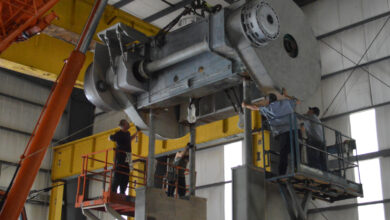
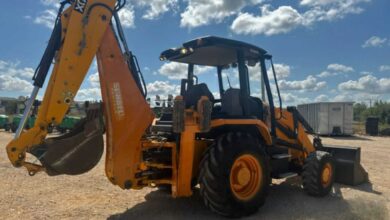
Heavy equipment transport is a crucial aspect of various industries, ensuring the safe and efficient movement of large machinery. Let’s delve into the intricate details of this essential process.
Overview of Heavy Equipment Transport
Heavy equipment transport involves the movement of large and heavy machinery from one location to another. This process requires specialized equipment, vehicles, and expertise to ensure the safe and efficient transportation of these oversized loads.
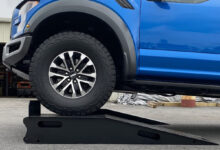




Proper heavy equipment transport is essential to prevent damage to the machinery being transported, as well as to ensure the safety of other drivers on the road. Improper transport can lead to accidents, delays, and costly repairs, making it crucial to entrust this task to experienced professionals.
Types of Heavy Equipment commonly transported
- Bulldozers
- Excavators
- Cranes
- Forklifts
- Dump trucks
Challenges in Heavy Equipment Transport
Transporting heavy equipment poses several challenges that can impact the efficiency and safety of the operation. These challenges range from logistical issues to regulatory compliance requirements.
Impact of Weather Conditions on Transport
Weather conditions play a significant role in heavy equipment transport. Adverse weather such as heavy rain, snow, or strong winds can pose serious risks to the transportation process. Slippery roads, reduced visibility, and unstable terrain can make it difficult to move heavy equipment safely. Delays in transport schedules are common when weather conditions are unfavorable, leading to potential project setbacks and increased costs.
Regulations Impact on Heavy Equipment Transport
Regulations governing the transport of heavy equipment are stringent and must be strictly adhered to. Permits, licenses, and specialized equipment may be required to transport oversized or overweight loads legally. Failure to comply with regulations can result in fines, delays, and even legal consequences. These regulations are put in place to ensure the safety of both the equipment being transported and other road users. Compliance with regulations adds an extra layer of complexity to heavy equipment transport logistics, requiring careful planning and coordination.
Safety Measures in Heavy Equipment Transport
When it comes to transporting heavy equipment, safety should always be the top priority. Proper safety measures need to be in place to ensure that both the equipment and personnel involved are protected throughout the transportation process.
Securing heavy equipment for transport is a critical step in ensuring safety. This involves properly securing the equipment to the transport vehicle using chains, straps, or other appropriate restraints. It is essential to follow manufacturer guidelines for securing each specific type of equipment to prevent any shifting or movement during transport.
Proper training for personnel involved in the transport of heavy equipment is also crucial for maintaining safety. All individuals involved should be trained on how to safely load and unload equipment, as well as how to properly secure it for transport. This training should cover best practices for handling heavy equipment and how to respond in case of emergencies.
Safety Protocols for Loading and Unloading Heavy Equipment
- Before loading, ensure that the equipment is properly inspected for any damage or issues that may affect its transport.
- Use the appropriate equipment, such as ramps or cranes, to safely load and unload heavy machinery onto the transport vehicle.
- Always follow the designated loading and unloading procedures to prevent accidents or damage to the equipment.
Securing Heavy Equipment for Transport
- Use high-quality chains, straps, or tie-downs to secure the equipment to the transport vehicle.
- Double-check the security of the restraints to ensure that the equipment is held firmly in place and will not move during transport.
- Follow the manufacturer’s guidelines for securing each type of equipment to prevent any shifting or damage.
Importance of Proper Training for Personnel Involved in Transport
- Training ensures that all individuals involved understand the proper procedures for loading, unloading, and securing heavy equipment.
- Proper training reduces the risk of accidents, injuries, and damage to the equipment during transport.
- Trained personnel are better equipped to handle emergencies or unexpected situations that may arise during transport.
Equipment Used in Heavy Equipment Transport
Transporting heavy equipment requires a variety of specialized vehicles and trailers to ensure safe and efficient delivery. These equipment are essential for moving heavy machinery, construction equipment, and other oversized loads. Let’s explore the key equipment used in heavy equipment transport.
Essential Vehicles for Transporting Heavy Equipment
- Flatbed Trucks: These trucks have a flat, open bed that allows for easy loading and unloading of heavy equipment.
- Lowboy Trailers: Lowboy trailers have a low deck height, making them suitable for transporting tall and heavy machinery.
- Extendable Trailers: These trailers can be extended to accommodate extra-long equipment or machinery.
- Heavy Haul Trucks: These specialized trucks are designed to transport extremely heavy loads over long distances.
Specialized Trailers for Different Types of Heavy Equipment
- Gooseneck Trailers: These trailers have a front extension that connects to the towing vehicle, providing better weight distribution for heavy loads.
- RGN Trailers (Removable Gooseneck): RGN trailers allow for easy loading and unloading by detaching the front part of the trailer.
- Step Deck Trailers: These trailers have a lower deck in the front and an upper deck in the back, ideal for transporting tall equipment.
Technology Improvements in Heavy Equipment Transport
Technology has played a crucial role in improving the efficiency of heavy equipment transport. With the advent of GPS tracking, route optimization software, and load securement technology, transport companies can now plan routes more effectively, monitor the location of shipments in real-time, and ensure that heavy equipment is securely fastened during transit. These advancements have not only increased efficiency but also enhanced safety in heavy equipment transport operations.
Planning and Logistics for Heavy Equipment Transport
Route planning is a critical aspect of heavy equipment transport as it helps to ensure the safe and efficient movement of oversized machinery from one location to another. By carefully mapping out the route, transport companies can identify potential obstacles such as low bridges, narrow roads, or weight restrictions that could pose a risk during transit.
Importance of Route Planning
Route planning is essential to avoid delays, damage to the equipment, or accidents. It allows transport companies to select the most suitable path that can accommodate the size and weight of the equipment being transported. Factors such as road conditions, traffic patterns, and the presence of any construction or detours must be taken into consideration to ensure a smooth transport process.
Considerations for Scheduling Transport
When scheduling the transport of heavy equipment, it is crucial to consider factors such as the size and weight of the equipment, the distance to be traveled, and any time-sensitive delivery requirements. Coordination with local authorities for permits and escorts, as well as communication with the client to determine the best timing for pickup and delivery, are also key considerations in the scheduling process.
Role of Logistics in Successful Transport
Logistics play a crucial role in the successful transport of heavy equipment by coordinating various aspects such as route planning, scheduling, permit acquisition, and communication with all parties involved. Effective logistics management ensures that the right equipment is in the right place at the right time, minimizing delays and optimizing the transport process for maximum efficiency.
Cost Factors in Heavy Equipment Transport
The cost of transporting heavy equipment is influenced by various factors that need to be considered to ensure an accurate budget estimation. Factors such as distance, size, weight, and additional services all play a significant role in determining the overall costs involved in transporting heavy machinery.
Role of Distance in Determining Transport Costs
The distance to be covered is a crucial factor in determining the transportation costs of heavy equipment. Longer distances generally result in higher costs due to increased fuel consumption, toll fees, and additional wear and tear on the vehicles involved in the transport process.
Impact of Size and Weight of Equipment on Transport Expenses
The size and weight of the equipment being transported directly affect the transport expenses. Larger and heavier equipment may require specialized trailers, permits, and escorts, all of which contribute to higher transportation costs. Additionally, the size and weight of the equipment can also impact the choice of transport mode, with oversize or overweight equipment often requiring more complex and costly transportation solutions.
Maintenance and Inspection of Vehicles for Heavy Equipment Transport
Regular maintenance and inspection of vehicles used in heavy equipment transport are crucial for ensuring safe and efficient operations. By following a structured maintenance schedule and conducting thorough inspections, operators can prevent breakdowns, minimize risks, and maintain the overall efficiency of the transportation process.
Maintenance Schedule for Vehicles
Vehicle maintenance should be scheduled at regular intervals to address wear and tear, prevent mechanical failures, and ensure optimal performance. This includes routine tasks such as oil changes, tire rotations, brake inspections, and fluid checks. Adhering to the manufacturer’s guidelines and recommendations is essential to prolonging the lifespan of the vehicles.
Importance of Regular Inspections
Regular inspections play a critical role in ensuring safety compliance and identifying potential issues before they escalate. Inspections help detect worn-out parts, leaks, faulty brakes, and other safety hazards that could jeopardize the transportation process. By conducting inspections proactively, operators can address problems promptly and prevent accidents.
Impact of Vehicle Condition on Efficiency
The condition of vehicles directly impacts the efficiency of heavy equipment transport. Well-maintained vehicles operate smoothly, consume less fuel, and experience fewer breakdowns, resulting in uninterrupted transportation schedules and cost savings. On the other hand, poorly maintained vehicles can lead to delays, increased fuel consumption, and unexpected repairs, affecting the overall efficiency of the operation.
Environmental Considerations in Heavy Equipment Transport
Heavy equipment transport is not only about moving machinery from one place to another but also about ensuring minimal impact on the environment. This involves strategies to reduce emissions, improve fuel efficiency, and comply with environmental regulations.
Minimizing Environmental Impact
- Utilizing low-emission vehicles: Using vehicles with advanced emission control systems can help minimize the release of harmful pollutants into the atmosphere.
- Implementing alternative fuels: Exploring the use of alternative fuels such as biodiesel or electric vehicles can significantly reduce the carbon footprint of heavy equipment transport.
- Route optimization: Planning efficient routes can not only save time and costs but also reduce fuel consumption and emissions by avoiding congestion and traffic delays.
Role of Fuel Efficiency
Fuel efficiency is crucial in heavy equipment transport as it directly impacts the carbon footprint of the operations. By improving fuel efficiency through proper maintenance, route planning, and driver training, companies can reduce their environmental impact significantly.
Regulations on Emissions Control
Regulations related to emissions control in heavy equipment transport vary by region but generally focus on limiting the amount of pollutants released into the air. This includes standards for nitrogen oxides (NOx), particulate matter (PM), and other harmful emissions.
- Adherence to emission standards: Companies must comply with local emission standards and regularly monitor and maintain their vehicles to meet these requirements.
- Emission testing: Periodic emission testing of heavy equipment vehicles is often mandatory to ensure they meet the set emissions limits.
- Investing in cleaner technologies: Companies are encouraged to invest in cleaner technologies and newer vehicles that meet higher emission standards to reduce their environmental impact.
Case Studies in Heavy Equipment Transport
Heavy equipment transport projects require careful planning and execution to ensure successful delivery. Let’s explore some examples of notable projects, the challenges faced, solutions implemented, and the impact of innovative technologies.
Transporting Oversized Machinery Across State Borders
Transporting oversized machinery across state borders presents unique challenges due to varying regulations and restrictions. In a recent case study, a construction company successfully transported a massive crane from one state to another for a major infrastructure project. The main challenge was obtaining the necessary permits and coordinating with multiple agencies to ensure compliance with weight and size restrictions.
- Implemented Solution: The company worked closely with a specialized heavy haulage company with expertise in navigating complex transportation regulations. They developed a detailed route plan and obtained all required permits in advance to minimize delays.
- Impact of Innovative Technologies: The use of GPS tracking systems and real-time monitoring allowed the project team to track the progress of the transport in real-time, ensuring the safe and efficient delivery of the crane to the project site.
Transporting Heavy Equipment in Challenging Terrain
Transporting heavy equipment in challenging terrain, such as mountainous regions or remote construction sites, requires specialized vehicles and equipment. In a recent case study, a mining company successfully transported large mining equipment to a remote site in the mountains for a new mining operation.
- Implemented Solution: The company utilized specialized off-road transport vehicles equipped with advanced suspension systems to navigate rough terrain and steep inclines. They also employed helicopters for airlifting certain components to the site to expedite the delivery process.
- Impact of Innovative Technologies: The use of drone technology for aerial surveys and route planning helped the team identify potential obstacles and plan alternative routes, ensuring the safe and timely delivery of the equipment.
Final Summary
From navigating challenges to implementing innovative technologies, heavy equipment transport demands meticulous planning and execution. This comprehensive overview sheds light on the complexities and importance of transporting heavy machinery.

Digital content creator with an eye for detail and a focus on trending global topics.