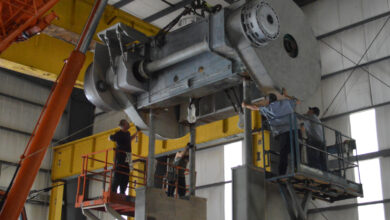
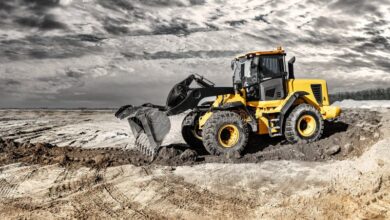
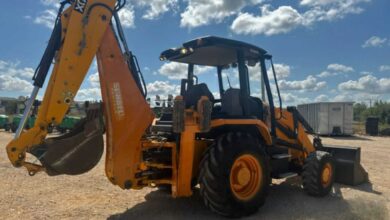
Heavy equipment hauling sets the stage for this enthralling narrative, offering readers a glimpse into a story that is rich in detail and brimming with originality from the outset. From the types of heavy equipment commonly transported to the challenges faced in the industry, this guide covers it all.
Overview of Heavy Equipment Hauling
Heavy equipment hauling involves the transportation of large and heavy machinery from one location to another. This process requires specialized equipment and trained professionals to ensure the safe and efficient delivery of the equipment.
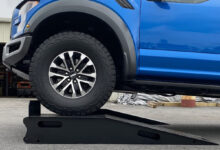




Types of Heavy Equipment Commonly Hauled
- Bulldozers
- Excavators
- Cranes
- Dump trucks
- Tractors
Importance of Specialized Hauling for Heavy Machinery
Specialized hauling for heavy machinery is crucial to prevent damage to the equipment and ensure its safe arrival at the intended destination. The use of specialized trailers, secure tie-downs, and experienced drivers is essential for the successful transportation of heavy equipment.
Challenges Involved in Transporting Heavy Equipment
- Weight restrictions: Heavy equipment often exceeds standard weight limits, requiring special permits and careful planning for transport.
- Size constraints: Oversized equipment may require route planning to avoid low bridges, narrow roads, and other obstacles.
- Tight deadlines: Meeting tight delivery schedules can be challenging, especially when unexpected delays occur during transport.
- Weather conditions: Adverse weather conditions can impact the safety and efficiency of transporting heavy equipment, requiring adjustments to travel plans.
Specialized Transport Vehicles
When it comes to heavy equipment hauling, specialized transport vehicles play a crucial role in safely and efficiently moving machinery from one location to another. These vehicles are designed and equipped to handle the immense weight and size of heavy equipment.
Specialized Trailers
Specialized trailers are an essential component of heavy equipment hauling, providing the necessary support and stability for transporting large machinery. Some common types of specialized trailers include:
- Lowboy Trailers: These trailers have a low deck height, making them ideal for transporting tall equipment while maintaining stability.
- Flatbed Trailers: Flatbed trailers offer a versatile option for hauling heavy equipment of various shapes and sizes.
- Extendable Trailers: These trailers can be adjusted to accommodate different lengths of equipment, providing flexibility during transportation.
Specialized Trucks
Specialized trucks are specifically designed to haul heavy equipment and play a crucial role in the transportation process. Some examples of specialized trucks used in heavy equipment hauling include:
- Heavy-Duty Trucks: These trucks are equipped with powerful engines and sturdy frames to handle the weight of heavy machinery.
- Flatbed Trucks: Flatbed trucks provide a stable platform for loading and transporting heavy equipment securely.
- Multi-Axle Trucks: These trucks have multiple axles to distribute the weight of the equipment evenly and ensure safe transportation.
Customization for Heavy Machinery Transport
Specialized transport vehicles are customized to meet the specific requirements of heavy machinery transport. Customizations may include:
- Reinforced Frames: Vehicles are reinforced to withstand the weight of heavy equipment and ensure structural integrity during transportation.
- Specialized Tie-Downs: Secure tie-down points are installed to fasten the equipment in place and prevent shifting during transit.
- Ramps and Loading Ramps: Vehicles may be equipped with ramps or hydraulic loading systems to facilitate the loading and unloading of heavy machinery.
Safety Regulations and Guidelines
When it comes to heavy equipment hauling, safety is of utmost importance to ensure the well-being of everyone involved in the transportation process. It is crucial to adhere to specific safety regulations and guidelines to prevent accidents and injuries.
Safety Measures During Heavy Equipment Transportation
- Before transport, conduct a thorough inspection of the equipment to ensure it is in proper working condition.
- Secure all loose parts and components to prevent them from falling off during transit.
- Ensure that the load is properly balanced and distributed on the transport vehicle to prevent tipping or shifting.
- Use appropriate safety equipment such as chains, straps, and binders to secure the equipment to the transport vehicle.
- Follow speed limits and traffic regulations to maintain safe driving conditions throughout the transportation process.
Regulations for Hauling Oversized Loads
- Obtain proper permits from the relevant authorities for hauling oversized loads, as they may require special considerations and planning.
- Comply with specific route restrictions and requirements set by authorities to ensure safe passage of oversized loads through roads and bridges.
- Escort vehicles or pilot cars may be necessary to accompany oversized loads to ensure the safety of other motorists and pedestrians.
- Display proper signage and warning flags on the transport vehicle to alert other drivers of the oversized load being transported.
Importance of Securing Equipment Properly
- Properly securing the equipment on the transport vehicle is essential to prevent accidents, damage to the equipment, and injuries to personnel.
- Failure to secure the equipment adequately can result in the load shifting or falling off during transit, posing a significant risk to everyone on the road.
- Using the right tools and techniques to secure the equipment can help minimize the chances of accidents and ensure a safe transportation process.
Planning and Logistics
Planning a heavy equipment haul involves a detailed process that ensures the safe and efficient transportation of oversized loads. Logistics play a crucial role in the successful execution of the transportation, from route planning to permit requirements.
Route Planning
Route planning is essential to determine the best and safest path for transporting heavy equipment. Factors such as road conditions, bridge heights, weight restrictions, and traffic patterns must be considered. Specialized transport vehicles may require specific routes to avoid obstacles and ensure a smooth journey.
Permit Requirements for Oversized Loads
Transporting oversized loads often requires special permits from relevant authorities. These permits outline specific regulations and restrictions for the transportation of heavy equipment. It is vital to obtain the necessary permits in advance to avoid legal issues and delays during the haul.
Role of Logistics in Successful Transportation
Logistics management is critical in coordinating all aspects of the heavy equipment haul. It involves scheduling, tracking, and optimizing the transportation process to ensure timely delivery and cost-effectiveness. Effective logistics help in overcoming challenges and ensuring a seamless operation from start to finish.
Cost Factors and Budgeting
When it comes to heavy equipment hauling, understanding the cost factors and effectively budgeting for the transportation of machinery is crucial. Various elements influence the overall cost, including the distance of transportation, the size and weight of the equipment being transported, as well as any special requirements or considerations.
Factors Influencing Cost
Several factors can impact the cost of heavy equipment hauling:
- The distance of transportation: Longer distances typically result in higher transportation costs due to fuel, labor, and time considerations.
- Size and weight of equipment: Larger and heavier equipment require specialized transport vehicles and additional resources, leading to increased costs.
- Special requirements: If the equipment being transported has unique specifications or needs special handling, it can add to the overall cost of hauling.
Tips for Budgeting
When planning and budgeting for heavy equipment hauling, consider the following tips to manage costs effectively:
- Obtain multiple quotes from different hauling companies to compare prices and services offered.
- Plan the transportation route efficiently to minimize distance and optimize fuel consumption.
- Consolidate shipments whenever possible to reduce costs associated with multiple trips.
- Communicate openly with the hauling company about any special requirements or considerations to avoid unexpected charges.
- Include a buffer in your budget for unforeseen circumstances or additional expenses that may arise during transportation.
Challenges and Solutions
When it comes to heavy equipment hauling, there are several challenges that can arise during the transportation process. It is essential to identify these challenges and implement effective strategies to overcome them in order to ensure a successful and safe haul.
Common Challenges Faced in Heavy Equipment Hauling
- Weight and Size Restrictions: Heavy equipment often exceeds weight and size limits imposed by transportation authorities, requiring special permits and route planning.
- Complex Route Planning: Navigating through narrow roads, bridges, and urban areas can pose challenges for oversized equipment transport.
- Weather Conditions: Adverse weather such as heavy rain, snow, or strong winds can affect the safety and timing of equipment transportation.
Solutions and Strategies
- Obtain Necessary Permits: Ensure all required permits are obtained in advance to comply with regulations regarding oversized and overweight loads.
- Utilize Specialized Transport Vehicles: Invest in specialized trailers and vehicles designed for heavy equipment hauling to ensure safe and secure transportation.
- Monitor Weather Conditions: Stay updated on weather forecasts and plan routes accordingly to avoid transporting heavy equipment during hazardous conditions.
Real-Life Examples
One challenging haul involved transporting a large excavator through a congested city area with narrow streets. The solution was to coordinate with local authorities to block off certain roads temporarily and use a police escort to guide the oversized load safely through the city.
Environmental Impact
Heavy equipment hauling can have a significant environmental impact due to the emission of greenhouse gases, fuel consumption, and potential damage to ecosystems. It is crucial to address these issues and implement sustainable practices to minimize the negative effects on the environment.
Minimizing Carbon Footprint
One way to reduce the carbon footprint during heavy equipment hauling is by optimizing routes to minimize travel distance and fuel consumption. Using fuel-efficient vehicles and technologies, such as hybrid or electric trucks, can also help in reducing emissions. Additionally, implementing eco-driving practices, such as maintaining proper tire pressure and reducing idling time, can contribute to lower fuel consumption and emissions.
Eco-Friendly Practices
- Utilizing alternative fuels, such as biodiesel or renewable diesel, can help in reducing greenhouse gas emissions and promoting sustainability in heavy equipment hauling.
- Implementing idle reduction technologies, such as automatic engine shut-off systems, can help in minimizing unnecessary fuel consumption and emissions.
- Adopting sustainable packaging materials and practices for transporting equipment can also contribute to reducing the environmental impact of hauling operations.
- Engaging in tree-planting initiatives or investing in carbon offset programs to mitigate the environmental impact of heavy equipment hauling activities.
Technology and Innovations
Technology plays a crucial role in modern heavy equipment hauling, revolutionizing the industry with innovative solutions that enhance efficiency and safety.
GPS Tracking Systems
- GPS tracking systems have become integral in heavy equipment hauling, providing real-time location data for vehicles and cargo.
- These systems enable precise route planning, monitoring of vehicle speed, and efficient navigation, leading to optimized transport operations.
- By tracking the location of equipment and vehicles, companies can improve fleet management, enhance security, and ensure timely deliveries.
Load Monitoring Systems
- Load monitoring systems utilize sensors to measure the weight and distribution of cargo on trucks and trailers.
- These systems help prevent overloading, which can lead to accidents, equipment damage, and regulatory violations.
- By monitoring the load in real-time, companies can ensure compliance with weight limits, improve fuel efficiency, and enhance overall safety during transportation.
Enhanced Communication Technologies
- Advanced communication technologies, such as mobile apps and telematics, enable seamless coordination between drivers, dispatchers, and logistics teams.
- These tools facilitate real-time updates on delivery schedules, traffic conditions, and potential risks, allowing for quick decision-making and adaptive planning.
- Improved communication leads to better collaboration among stakeholders, increased operational transparency, and enhanced customer service in heavy equipment hauling.
Case Studies and Success Stories
In the heavy equipment hauling industry, case studies and success stories play a crucial role in showcasing best practices, innovative solutions, and lessons learned from challenging projects. These real-life examples provide valuable insights for professionals in the field and highlight the importance of proper planning, execution, and problem-solving skills.
Successful Heavy Equipment Hauling Project
- One notable case study involves the transportation of a massive industrial crane across multiple states. The project required meticulous route planning, coordination with authorities, and the use of specialized transport vehicles. Despite facing unforeseen road closures and weather challenges, the team successfully delivered the crane to its destination within the deadline.
- Key takeaways from this project include the significance of thorough risk assessment, effective communication among team members, and the ability to adapt to changing circumstances. The project’s success was attributed to the expertise of the haulage team, adherence to safety regulations, and strategic decision-making throughout the journey.
Flawless Execution of a Challenging Haul
- Another success story revolves around the transportation of oversized wind turbine components through rugged terrain and narrow roads. Despite the complexity of the route and logistical challenges, the haulage company managed to complete the delivery without any incidents or delays.
- The key lessons learned from this challenging haul include the importance of detailed route surveys, close collaboration with local authorities, and the utilization of advanced technology for real-time tracking and monitoring. The successful execution of this project showcased the capabilities of the haulage team and their commitment to delivering exceptional service under demanding conditions.
Improving Hauling Practices through Experience
- Both case studies underscore the significance of experience, expertise, and continuous learning in the heavy equipment hauling industry. By analyzing successful projects and overcoming challenges, professionals can enhance their skills, optimize processes, and implement best practices for future endeavors.
- These success stories serve as inspiration for aspiring haulage professionals and emphasize the value of innovation, teamwork, and attention to detail in achieving remarkable results. By embracing the lessons learned from past experiences, the industry can strive for excellence and ensure safe, efficient, and successful heavy equipment hauls.
End of Discussion
As we conclude this comprehensive exploration of heavy equipment hauling, it’s clear that successful transportation of heavy machinery relies on careful planning, adherence to safety regulations, and innovative solutions to overcome challenges. Whether it’s minimizing the environmental impact or incorporating the latest technology, the world of heavy equipment hauling continues to evolve and adapt.

Digital content creator with an eye for detail and a focus on trending global topics.