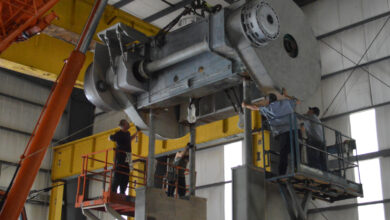
Conveyors play a pivotal role in streamlining material handling processes across various industries. From belt conveyors to automated systems, the world of conveyors offers a fascinating journey of efficiency and innovation.
This comprehensive guide delves into the intricacies of conveyors, exploring their types, materials, components, maintenance, automation, safety measures, design considerations, applications, emerging trends, and global market overview.





Types of Conveyors
Belt conveyors and roller conveyors are two common types of conveyors used in various industries for material handling. While both serve the purpose of transporting goods from one point to another, they have distinct features that set them apart.
Belt Conveyors vs. Roller Conveyors
Belt conveyors utilize a wide belt and pulleys for continuous movement of materials, making them ideal for large volumes of goods over long distances. On the other hand, roller conveyors use rollers to facilitate the movement of items, suitable for applications where products need to be accumulated or merged.
When comparing the two, belt conveyors are more versatile and can handle a wider range of products, shapes, and sizes. Roller conveyors, on the other hand, are more cost-effective and efficient for specific applications like sorting, packing, and assembly lines.
Applications of Screw Conveyors
Screw conveyors are commonly used in industries such as agriculture, food processing, and wastewater treatment. They are ideal for handling bulk materials, powders, and granular products efficiently.
- Food Industry: Screw conveyors are used to transport ingredients, grains, and processed foods in food processing plants.
- Agriculture: They are utilized in farming operations for moving grains, seeds, and fertilizers.
- Wastewater Treatment: Screw conveyors help in transporting sludge and biosolids in wastewater treatment facilities.
Benefits of Pneumatic Conveyors
Pneumatic conveyors are a popular choice for industries requiring gentle handling of materials, dust-free operation, and flexibility in routing.
- Low Maintenance: Pneumatic conveyors have fewer moving parts, leading to reduced maintenance costs and downtime.
- Dust-Free Operation: They help in maintaining a clean working environment by minimizing dust emissions during material transfer.
- Flexible Routing: Pneumatic conveyors can be easily routed around obstacles and through tight spaces, providing versatility in layout design.
Conveyor Belt Materials
Conveyor belt materials play a crucial role in the efficiency and durability of conveyor systems. Different materials offer unique properties that cater to specific industry needs.
PVC Conveyor Belts
PVC conveyor belts are made of polyvinyl chloride and are known for their durability and resistance to abrasion, chemicals, and oils. These belts are also flexible, making them ideal for curved conveyors. Additionally, PVC belts are easy to clean and maintain, making them suitable for industries with strict hygiene requirements.
Rubber Conveyor Belts in Heavy-Duty Applications
Rubber conveyor belts are preferred for heavy-duty applications due to their high strength and impact resistance. The elasticity of rubber helps absorb shocks and vibrations, reducing wear and tear on the conveyor system. Rubber belts are also resistant to extreme temperatures, making them suitable for industries like mining, construction, and agriculture where harsh conditions are common.
Metal Mesh Conveyor Belts and Their Ideal Uses
Metal mesh conveyor belts are constructed from interlinked metal wire strands and offer excellent airflow and drainage capabilities. These belts are commonly used in industries like food processing, baking, and heat treatment, where efficient heat transfer and ventilation are essential. The open structure of metal mesh belts also allows for easy cleaning and maintenance, making them ideal for applications requiring strict sanitation standards.
Conveyor System Components
Conveyor systems consist of several key components that work together to move materials efficiently from one point to another. These components include conveyor rollers and conveyor pulleys, among others.
Conveyor Rollers
Conveyor rollers play a crucial role in material handling by supporting and guiding the conveyor belt along the entire length of the conveyor system. These rollers help reduce friction and enable smooth movement of the belt, enhancing the overall efficiency of the conveyor system.
- Conveyor rollers are typically made of durable materials like steel or plastic to withstand the weight and pressure of the materials being transported.
- These rollers are strategically placed along the conveyor belt to support the load and facilitate its movement, ensuring a smooth and continuous flow of materials.
- The design and size of conveyor rollers can vary based on the specific requirements of the conveyor system, such as load capacity, speed, and material type.
Conveyor Pulleys
Conveyor pulleys are another essential component of a conveyor system that plays a critical role in maintaining belt tension and facilitating the movement of materials along the conveyor belt.
- Conveyor pulleys are mounted at the ends of the conveyor system and help to redirect the belt and maintain proper tension, ensuring that the belt stays aligned and does not slip off track.
- These pulleys may be equipped with lagging to increase friction and improve traction between the pulley and the belt, preventing slippage and ensuring smooth operation.
- The size and type of conveyor pulleys used depend on factors such as belt width, load capacity, and conveyor speed, among others, to optimize the performance and efficiency of the conveyor system.
Conveyor Belt Maintenance
Regular maintenance of conveyor belts is essential to ensure smooth operation and prevent unexpected breakdowns. By following a preventive maintenance schedule and implementing best practices, you can extend the lifespan of your conveyor belt system and maximize its efficiency.
Preventive Maintenance Schedule
- Inspect the conveyor belt regularly for signs of wear, damage, or misalignment.
- Keep the belt clean and free of debris to prevent premature wear.
- Lubricate moving parts as recommended by the manufacturer to reduce friction and extend the life of the system.
- Tighten any loose bolts or screws to maintain proper tension and alignment.
Tips for Extending Lifespan
- Train employees on proper operation and maintenance procedures to prevent misuse or mishandling of the conveyor system.
- Avoid overloading the conveyor belt beyond its specified capacity to prevent excessive wear and tear.
- Regularly monitor the performance of the conveyor system and address any issues promptly to prevent further damage.
- Consider implementing a predictive maintenance program using advanced technologies to detect potential problems before they escalate.
Procedure for Replacing a Damaged Conveyor Belt
- Shut down the conveyor system and isolate the affected area to ensure safety during the replacement process.
- Remove any remaining material on the belt and dismantle the necessary components to access the damaged section.
- Unscrew the fasteners and carefully detach the old belt from the system, taking note of the belt’s orientation for proper alignment of the new belt.
- Install the new conveyor belt by following the manufacturer’s guidelines and recommendations for tensioning and alignment.
- Test the conveyor system after replacement to ensure proper functioning before resuming normal operations.
Conveyor Automation
Automation in conveyor systems has revolutionized the way materials are handled in various industries. By incorporating sensors and programmable logic controllers (PLCs), companies can streamline their operations, increase efficiency, and reduce manual intervention. Let’s explore how sensors are utilized in automated conveyor systems, the benefits of integrating conveyor systems with PLCs, and some industries that have reaped the rewards of automated conveyor solutions.
Sensors in Automated Conveyor Systems
Sensors play a crucial role in automated conveyor systems by detecting the presence of objects, measuring distances, and ensuring smooth material flow. These sensors can range from simple photoelectric sensors to more advanced technologies like ultrasonic sensors and laser scanners. By providing real-time data to the PLC, sensors enable precise control over the speed, direction, and positioning of the conveyed items, leading to enhanced productivity and reduced errors.
Advantages of Integrating Conveyor Systems with PLCs
Integrating conveyor systems with PLCs offers several advantages, including centralized control, increased flexibility, and improved monitoring capabilities. PLCs allow for seamless communication between different components of the conveyor system, enabling operators to adjust settings, track performance metrics, and diagnose issues remotely. By automating repetitive tasks and implementing logic-based decision-making, companies can optimize their processes, minimize downtime, and achieve higher throughput levels.
Industries Benefiting from Automated Conveyor Solutions
Numerous industries have embraced automated conveyor solutions to enhance their production lines, warehouse operations, and distribution networks. For example, the automotive industry utilizes automated conveyors for assembly line processes, material handling, and parts transportation. E-commerce companies rely on conveyor automation to sort, pack, and ship orders efficiently. Additionally, food and beverage manufacturers use automated conveyor systems to ensure product quality, traceability, and compliance with safety regulations. Overall, automated conveyor solutions have become a cornerstone of modern industrial automation, driving advancements in productivity, safety, and cost-effectiveness.
Conveyor Safety
Safety is paramount when working around conveyor systems to prevent accidents and injuries. It is essential for personnel to follow strict safety measures and guidelines to ensure a safe working environment.
Importance of Emergency Stop Buttons
Emergency stop buttons are crucial components of conveyor systems as they provide an immediate way to halt operations in case of emergencies. These buttons should be easily accessible and clearly marked to enable quick response times in critical situations.
- Emergency stop buttons should be tested regularly to ensure they are functioning correctly.
- All personnel should be trained on the location and proper use of emergency stop buttons.
- It is important to have clear procedures in place for resetting the system after an emergency stop.
Training for Personnel
Proper training is essential for personnel operating conveyor systems to ensure they understand the equipment, safety protocols, and emergency procedures.
- All operators should receive thorough training on the specific conveyor system they will be working with.
- Training should cover equipment operation, maintenance procedures, and safety guidelines.
- Regular refresher training sessions should be conducted to reinforce safety protocols and best practices.
Conveyor System Design
When designing a conveyor system layout, several factors need to be considered to ensure optimal performance and efficiency. These factors include the type of material being transported, the required throughput capacity, the layout of the facility, and the specific needs of the production process. It is essential to work closely with engineers and conveyor system experts to design a system that meets all requirements and regulations.
Role of Incline Conveyors
Incline conveyors play a crucial role in material handling processes by allowing for the vertical movement of materials. These conveyors are often used to transport materials between different levels of a facility, such as from a mezzanine level to the ground floor. By incorporating incline conveyors into the system design, companies can optimize space utilization and streamline material flow.
Optimizing Space Utilization
To optimize space utilization in conveyor system design, it is important to consider the layout of the facility, the flow of materials, and the specific requirements of the production process. One best practice is to implement a mezzanine level to maximize vertical space and utilize incline conveyors for vertical transport. Additionally, using compact conveyor designs and efficient material handling equipment can help minimize the footprint of the system while maximizing productivity.
Conveyor Applications
Conveyors play a crucial role in various industries, providing efficient material handling solutions. Let’s explore some key examples of how conveyors are utilized in different sectors.
Food Processing Industries
Conveyors are extensively used in food processing industries to streamline the production process and ensure food safety. Some common applications include:
- Transporting raw materials such as fruits, vegetables, and grains to processing areas.
- Moving processed food products along the production line for packaging and distribution.
- Ensuring proper sanitation and hygiene by facilitating easy cleaning of conveyor belts.
Automotive Manufacturing Sector
In the automotive manufacturing sector, conveyors play a vital role in enhancing production efficiency and quality control. Key applications include:
- Transporting car parts between different assembly stations for seamless production.
- Facilitating the painting and finishing processes by moving vehicle components along the line.
- Enabling just-in-time manufacturing by controlling the flow of materials and components.
E-commerce Order Fulfillment Processes
Conveyors are essential for e-commerce order fulfillment processes, where speed and accuracy are paramount. Some of the ways conveyors contribute to this sector are:
- Automating the movement of packages within warehouses to expedite order processing.
- Sorting and diverting packages based on destination to streamline shipping operations.
- Integrating with automated systems for efficient order picking and packing processes.
Emerging Trends in Conveyors
The field of conveyor systems is constantly evolving with new technologies and materials being introduced to improve efficiency, sustainability, and automation. Let’s explore some of the emerging trends shaping the future of conveyors.
Impact of Industry 4.0 Technologies
Industry 4.0 technologies such as IoT (Internet of Things), AI (Artificial Intelligence), and machine learning are revolutionizing the way conveyor systems operate. These advancements enable real-time monitoring, predictive maintenance, and data-driven decision-making, leading to increased productivity and reduced downtime.
Adoption of Eco-Friendly Materials
With a growing focus on sustainability, conveyor manufacturers are increasingly turning to eco-friendly materials in their production processes. Materials such as recycled rubber, biodegradable plastics, and energy-efficient components are being used to reduce carbon footprint and environmental impact.
Future of Conveyor Systems in Warehouse Automation
The future of conveyor systems lies in warehouse automation, where conveyors play a crucial role in streamlining operations, improving efficiency, and reducing labor costs. The integration of robotics, autonomous vehicles, and smart conveyor systems will lead to fully automated warehouses that are capable of handling complex tasks with minimal human intervention.
Global Market Overview
The conveyor system market has been experiencing steady growth over the years due to increasing automation in various industries. The demand for efficient material handling solutions has driven the adoption of conveyor systems across different sectors.
Growth Trends of the Conveyor System Market
- The conveyor system market is expected to witness significant growth in the coming years, with a CAGR of X% from 2020 to 2025.
- Rapid industrialization and the need for streamlining production processes are key factors contributing to the growth of the conveyor system market.
- Technological advancements such as IoT integration and AI-driven automation are reshaping the conveyor industry landscape.
Market Share of Conveyor Systems in Different Regions
- Asia Pacific dominates the global conveyor system market, accounting for the largest market share due to the presence of manufacturing hubs in countries like China and India.
- North America and Europe follow closely behind, with a growing demand for conveyor systems in industries such as automotive, food & beverage, and logistics.
- Latin America and the Middle East & Africa regions are also witnessing an increasing adoption of conveyor systems, driven by infrastructure development and industrial growth.
Key Players and Innovations Driving the Conveyor Industry Forward
- Major players in the conveyor system market include companies like Company X, Company Y, and Company Z, known for their innovative conveyor solutions and global presence.
- Industry leaders are focusing on developing eco-friendly conveyor systems, integrating smart technologies for real-time monitoring and predictive maintenance.
- Innovations such as modular conveyor designs, energy-efficient motors, and automated sorting systems are driving the evolution of conveyor systems for enhanced productivity and sustainability.
Conclusive Thoughts
As we conclude this exploration of conveyors, it becomes evident that these systems are not just about moving items from point A to point B. They represent a fusion of technology, safety, and efficiency, shaping the future of material handling operations worldwide.

Digital content creator with an eye for detail and a focus on trending global topics.