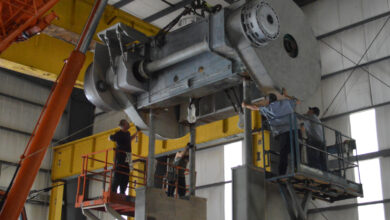
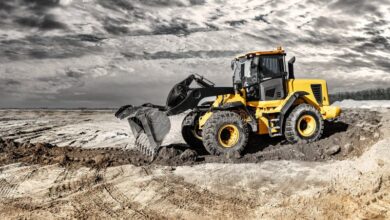
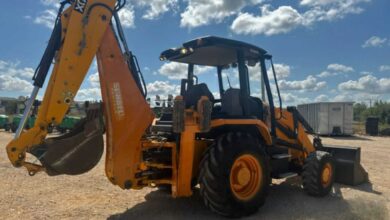
Construction equipment is the backbone of any successful construction project, providing the necessary tools and machinery for efficient and safe operations.
From excavators to cranes, the diverse range of equipment plays a crucial role in shaping the landscape of the construction industry.


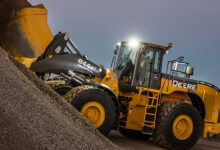

What is Construction Equipment?
Construction equipment refers to a variety of machinery and tools used in construction projects to perform tasks such as earthmoving, lifting, drilling, paving, and more. These equipment play a crucial role in the construction industry by increasing efficiency, safety, and productivity on job sites.
Types of Construction Equipment
Construction equipment can be categorized into various types based on their functions and applications. Some common types include:
- Bulldozers: Used for pushing and moving large quantities of earth or debris.
- Excavators: Ideal for digging trenches, foundations, and holes.
- Cranes: Essential for lifting and moving heavy materials or equipment to different heights.
- Dump Trucks: Used for transporting materials such as sand, gravel, or debris on construction sites.
- Concrete Mixers: Essential for mixing and transporting concrete to various locations on site.
Importance of Using the Right Construction Equipment
Using the right construction equipment for specific tasks is crucial for ensuring the success and efficiency of a construction project. The importance lies in:
- Enhanced productivity: Proper equipment selection can improve work efficiency and speed up project completion.
- Improved safety: Using the right equipment reduces the risk of accidents and injuries on job sites.
- Cost-effectiveness: The appropriate equipment can help minimize operational costs and maximize resources.
- Quality outcomes: Matching the equipment to the task at hand results in better quality work and project outcomes.
Types of Construction Equipment
Construction equipment plays a crucial role in various construction projects, aiding in tasks that range from excavation to lifting heavy materials. There are different types of construction equipment, each designed for specific functions and purposes.
Heavy Equipment vs. Light Equipment
When it comes to construction equipment, they can be broadly categorized into heavy equipment and light equipment based on their size, weight, and capacity. Heavy equipment, such as excavators, bulldozers, and cranes, are larger in size and are used for heavy-duty tasks like earthmoving, demolition, and lifting heavy materials. On the other hand, light equipment, including compact excavators, skid steer loaders, and mini cranes, are smaller in size and are typically used for tasks that require more precision and maneuverability, such as landscaping, material handling, and indoor construction projects.
Advancements in Construction Equipment Technology
Advancements in construction equipment technology have led to significant improvements in efficiency, safety, and productivity on construction sites. Modern construction equipment is equipped with advanced features like GPS systems for precise positioning, telematics for remote monitoring and diagnostics, and automated functions for increased accuracy and speed. These technological advancements not only enhance the performance of construction equipment but also contribute to cost savings and better project management.
Safety Guidelines for Operating Construction Equipment
Operating construction equipment can be dangerous if proper safety guidelines are not followed. It is crucial for equipment operators to be aware of potential hazards and to undergo proper training to ensure a safe working environment.
Common Hazards Associated with Operating Construction Equipment
- Tip-overs: Construction equipment can easily tip over if not operated on stable ground or if the load is not properly balanced.
- Collision: Accidents can occur if equipment operators do not maintain a safe distance from other workers or obstacles on the site.
- Electrical Hazards: Working near power lines or using equipment in wet conditions can pose a risk of electrical shock.
- Falling Objects: Loose materials or tools left on equipment can fall and cause injury to operators or nearby workers.
Importance of Proper Training and Certification
Proper training and certification are essential for equipment operators to mitigate risks and ensure safe operation of construction equipment. Training programs teach operators how to safely operate machinery, conduct pre-operation inspections, and respond to emergencies effectively. Certification validates an operator’s skills and knowledge, demonstrating their ability to operate equipment competently and safely.
Maintenance and Inspection of Construction Equipment
Regular maintenance and inspection of construction equipment are crucial to ensure optimal performance and prevent breakdowns. By following a proper maintenance schedule and conducting regular inspections, you can prolong the lifespan of the equipment and avoid costly repairs. Here are some guidelines to help you maintain and inspect your construction equipment effectively.
Maintenance Schedule
Maintaining a regular maintenance schedule is essential for keeping construction equipment in top condition. Here are some key maintenance tasks that should be performed on a regular basis:
- Check fluid levels, such as oil, coolant, and hydraulic fluid, and top up as needed.
- Inspect filters and replace them when necessary to ensure proper functioning.
- Lubricate moving parts to prevent wear and tear.
- Inspect tires for wear and tear, and replace them if they are worn out.
- Check for any signs of leaks or damage and address them promptly.
Importance of Inspections and Preventive Maintenance
Regular inspections and preventive maintenance help identify potential issues before they escalate into major problems. By conducting routine inspections, you can catch small issues early on and address them before they cause equipment failure. This proactive approach can save you time and money in the long run.
Tips for Storing Construction Equipment
Properly storing construction equipment during off-seasons is essential to prevent damage and ensure that the equipment remains in good condition. Here are some tips for storing construction equipment:
- Clean the equipment thoroughly before storing it to remove dirt and debris that could cause corrosion.
- Store the equipment in a dry, covered area to protect it from the elements.
- Consider using a protective cover to shield the equipment from dust and moisture.
- Disconnect the battery and store it in a cool, dry place to prevent it from draining or freezing.
- Follow manufacturer guidelines for long-term storage to ensure the equipment is properly maintained during the off-season.
Renting vs. Buying Construction Equipment
When it comes to acquiring construction equipment for a project, one must consider whether to rent or buy. Each option has its own set of benefits and drawbacks, so it’s important to weigh them carefully before making a decision.
Benefits and Drawbacks
- Renting Construction Equipment:
- Benefits:
- Lower initial investment
- Access to a wide range of equipment
- No maintenance or storage costs
- Drawbacks:
- Higher overall cost in the long run
- Limited availability during peak seasons
- No ownership or equity in the equipment
- Benefits:
- Buying Construction Equipment:
- Benefits:
- Ownership and equity in the equipment
- Potential for resale value
- Lower overall cost for long-term projects
- Drawbacks:
- Higher initial investment
- Maintenance and storage costs
- Limited flexibility to switch to different equipment
- Benefits:
Cost Analysis
For short-term projects, renting may be more cost-effective due to lower initial investment and no maintenance costs. However, for long-term projects, buying construction equipment could be more economical as the overall cost may be lower compared to renting over an extended period.
Factors to Consider
When deciding whether to rent or buy construction equipment, consider factors such as the project duration, frequency of use, budget constraints, availability of equipment, and the specific requirements of the project. It’s important to evaluate these factors thoroughly to make an informed decision.
Environmental Impact of Construction Equipment
Construction equipment plays a vital role in the development of infrastructure, but it also has significant environmental implications. The operation of heavy machinery, emissions from diesel engines, and construction waste all contribute to environmental degradation. It is essential to explore eco-friendly alternatives and sustainable practices to minimize the impact of construction equipment on the environment.
Eco-Friendly Alternatives and Technologies
There are several eco-friendly alternatives and technologies available in construction equipment that can help reduce environmental impact. Electric-powered machinery, hybrid vehicles, and equipment running on biofuels are some examples of sustainable options. These alternatives can lower carbon emissions, noise pollution, and reduce dependency on fossil fuels.
Sustainable Practices in Construction
- Implementing proper waste management systems to reduce construction waste and promote recycling.
- Using renewable energy sources such as solar panels or wind turbines to power construction sites.
- Adopting green building practices like energy-efficient designs and materials to minimize environmental impact.
- Regular maintenance and inspection of equipment to ensure optimal performance and reduce emissions.
Notable Innovations in Construction Equipment
In recent years, the construction industry has witnessed significant advancements in construction equipment design and functionality, thanks to rapid technological developments. Automation and Artificial Intelligence (AI) have played a crucial role in revolutionizing the way construction projects are carried out, leading to improved efficiency and safety on job sites. Let’s explore some of the notable innovations in construction equipment that have been making waves in the industry.
1. Autonomous Construction Vehicles
Autonomous construction vehicles, such as self-driving bulldozers and excavators, are equipped with cutting-edge technology like LiDAR and GPS systems, allowing them to operate with minimal human intervention. These vehicles can navigate job sites, perform tasks with precision, and enhance productivity while reducing the risk of accidents.
2. Drones for Site Surveying and Inspections
Drones have become invaluable tools in the construction industry for conducting site surveys, monitoring progress, and inspecting hard-to-reach areas. They provide real-time aerial footage, helping project managers make informed decisions, improve safety standards, and streamline construction processes.
3. Telematics and IoT Integration
Telematics systems and Internet of Things (IoT) technology have transformed how construction equipment is monitored and managed. By collecting data on equipment usage, performance, and maintenance needs, telematics enable proactive maintenance scheduling, optimize fuel consumption, and prevent costly breakdowns.
4. Wearable Technology for Worker Safety
Wearable technology, such as smart helmets and vests, equipped with sensors and communication devices, enhances worker safety on construction sites. These devices can detect potential hazards, monitor vital signs, and alert workers and supervisors in case of emergencies, reducing the risk of accidents and injuries.
5. 3D Printing in Construction
3D printing technology is being increasingly used in construction to create complex architectural components, prefabricated structures, and even entire buildings. This innovative approach reduces construction time, material wastage, and labor costs while allowing for greater design flexibility and customization.
6. Electric and Hybrid Construction Equipment
The shift towards electric and hybrid construction equipment is gaining momentum as the industry focuses on reducing carbon emissions and operating costs. Electric-powered machinery offers quieter operation, zero emissions, and lower maintenance requirements, making them environmentally friendly and cost-effective alternatives.
7. Augmented Reality (AR) for Design and Training
Augmented Reality (AR) technology is being used in construction for visualizing building designs, conducting virtual walk-throughs, and providing on-site training for operators. AR enhances communication, improves project planning, and enables stakeholders to experience construction projects in a more immersive and interactive way.
Construction Equipment Market Trends
The construction equipment market is constantly evolving, driven by various factors such as technological advancements, economic conditions, and industry demands. Understanding the current trends in the market can provide valuable insights into the future of construction equipment development and adoption.
Global Market Dynamics
- The global construction equipment market is experiencing steady growth, with a rising demand for advanced machinery to improve efficiency and productivity on construction sites.
- Technological innovations, such as telematics and IoT integration, are becoming increasingly popular, allowing for real-time monitoring and data analysis to optimize equipment performance.
- Economic factors, including infrastructure development projects and government investments in construction, play a significant role in driving the demand for construction equipment.
Impact of Economic Factors
- Fluctuations in GDP growth rates, interest rates, and construction spending can directly impact the demand for construction equipment, leading to shifts in market trends.
- Global economic uncertainties, such as trade tensions and currency fluctuations, can influence investment decisions and overall market performance in the construction equipment sector.
- Emerging markets in Asia-Pacific and Africa are expected to drive significant growth in construction equipment sales, supported by rapid urbanization and infrastructure development initiatives.
Future Trends and Predictions
- Increased focus on sustainability and environmental regulations is likely to drive the development of more eco-friendly construction equipment, such as electric-powered machinery and hybrid models.
- Advancements in automation and robotics are expected to revolutionize the construction industry, with autonomous vehicles and drones playing a crucial role in enhancing productivity and safety on job sites.
- Digitalization and cloud-based solutions will continue to streamline operations and maintenance practices, allowing for predictive maintenance and remote monitoring of construction equipment.
Ergonomics in Construction Equipment Design
Ergonomics plays a crucial role in the design of construction equipment, focusing on creating a comfortable and safe environment for operators. By considering the ergonomic needs of operators, construction equipment manufacturers can enhance productivity, reduce fatigue, and ultimately improve overall job performance.
Importance of Ergonomics in Construction Equipment Design
- Ergonomic design features such as adjustable seats, controls within easy reach, and reduced vibration levels can significantly enhance operator comfort and safety.
- By minimizing physical strain and discomfort, ergonomic construction equipment design can help prevent injuries and musculoskeletal disorders among operators.
- Improved operator comfort leads to increased focus and concentration, resulting in higher productivity levels and better job performance.
Examples of Ergonomic Innovations in Construction Equipment
- Integrating air suspension seats that provide optimal support and reduce vibrations, ensuring operator comfort during long hours of operation.
- Utilizing joystick controls with ergonomic designs that minimize hand and wrist fatigue, allowing for precise and efficient equipment operation.
- Incorporating adjustable armrests and consoles to accommodate operators of different sizes, promoting a customized and comfortable working environment.
Case Studies
In the world of construction projects, the successful implementation of innovative construction equipment can make a significant impact on project timelines and budgets. Let’s take a look at some real-world examples where advanced construction equipment played a crucial role and analyze the lessons learned from these implementations.
Case Study 1: High-rise Building Construction
One notable case study involves the construction of a high-rise building where state-of-the-art tower cranes were used. These advanced cranes significantly increased the efficiency of material handling and contributed to faster construction progress. As a result, the project was completed ahead of schedule, saving both time and money.
Case Study 2: Road Infrastructure Development
Another example is the implementation of cutting-edge paving equipment in a road infrastructure development project. The use of advanced asphalt pavers and compactors ensured smoother and more precise road surfaces, leading to enhanced durability and reduced maintenance needs in the long run. This successful implementation showcased the importance of investing in quality construction equipment.
Case Study 3: Bridge Construction with Prefabricated Elements
A successful case study in bridge construction involved the use of specialized equipment for handling large prefabricated elements. By utilizing innovative lifting and positioning machinery, the construction team was able to expedite the assembly process and minimize manual labor. This not only improved worker safety but also accelerated the overall project timeline, demonstrating the efficiency gains from modern construction equipment.
Wrap-Up
As we conclude our discussion on construction equipment, it becomes evident that these tools are not just assets but indispensable allies in the realm of construction, paving the way for innovation and progress.

Digital content creator with an eye for detail and a focus on trending global topics.